
Seven antique crochet doilies and medallions, from 1846 and 1870
These crochet doily patterns collect seven antique designs: four round doilies from a book published in 1846 and three small medallions from an English needlework book of 1870. All are written in US terms, with round-by-round instructions, a symbol chart and thread and hook sizes for fine cotton.
- Crochet
- 7 patterns
- $4.99 in the app
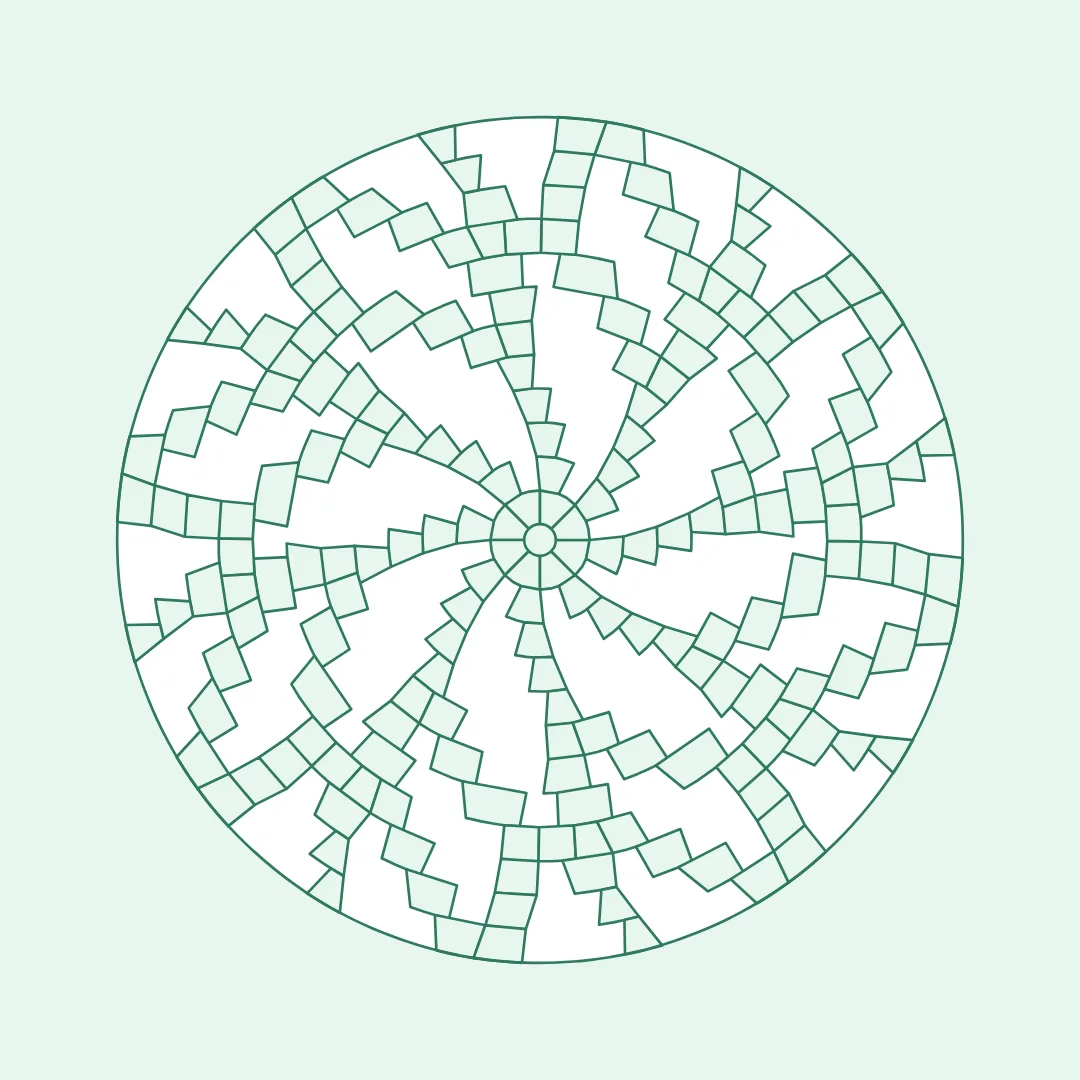
What’s in Antique Crochet Doilies & Medallions
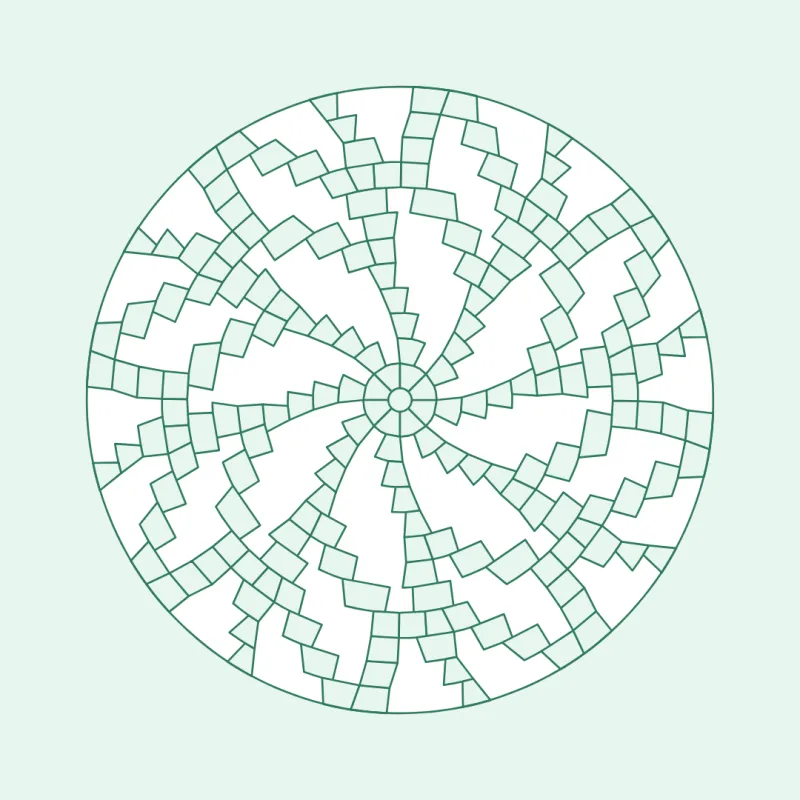
Diamond Doily
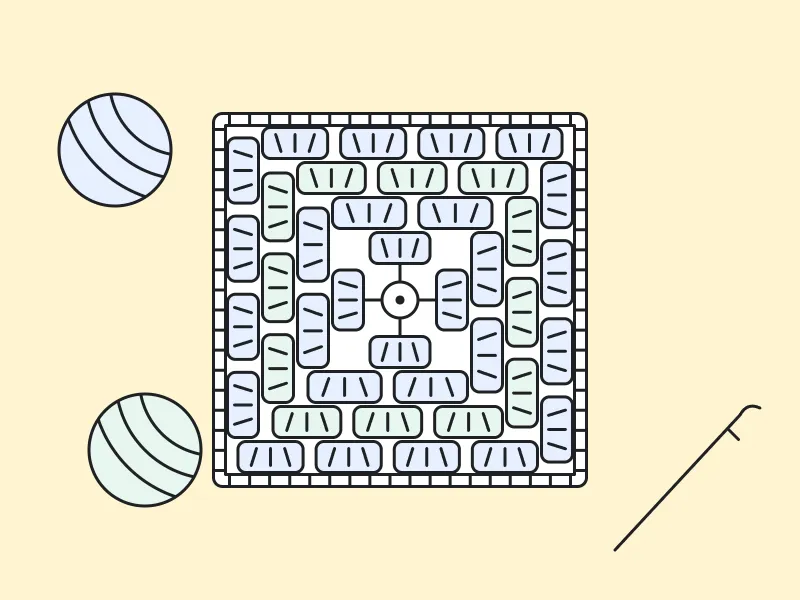
Eight wedges grow round by round, split, then close into open diamonds. Intermediate, about 6.5 in (17 cm) across.
Intermediate
Trellis Doily
Chain loops in the centre, a solid band, then an open trellis and a solid edge. Easy, leaning Intermediate, about 6 in (15 cm) across.
Easy to intermediate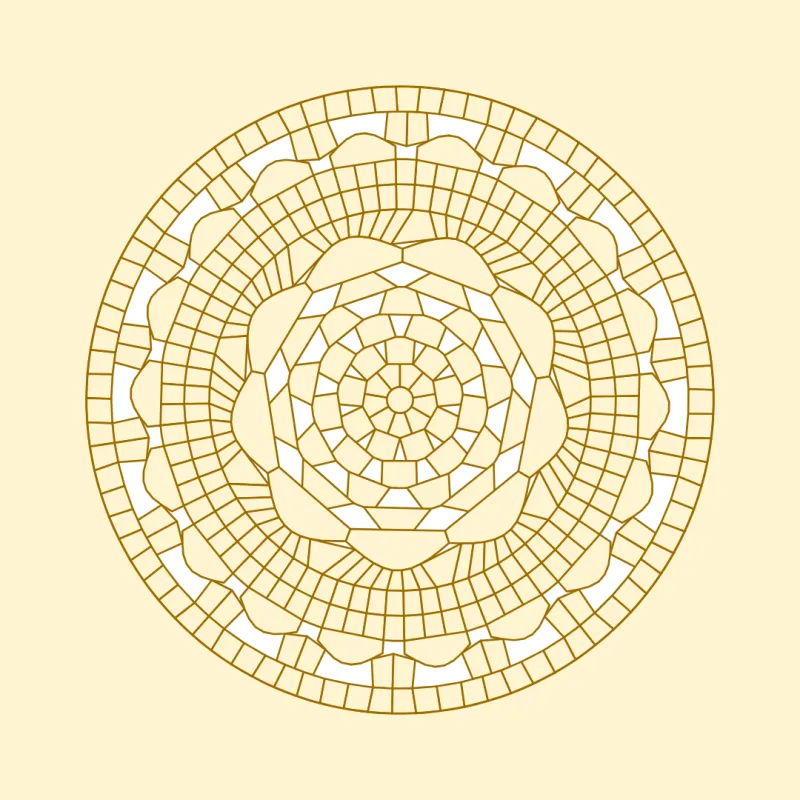
Scallop Doily
Nine fans open from the centre, then three rounds of open mesh lead to a scalloped edge. Easy, leaning Intermediate, about 6 in (15 cm) across.
Easy to intermediate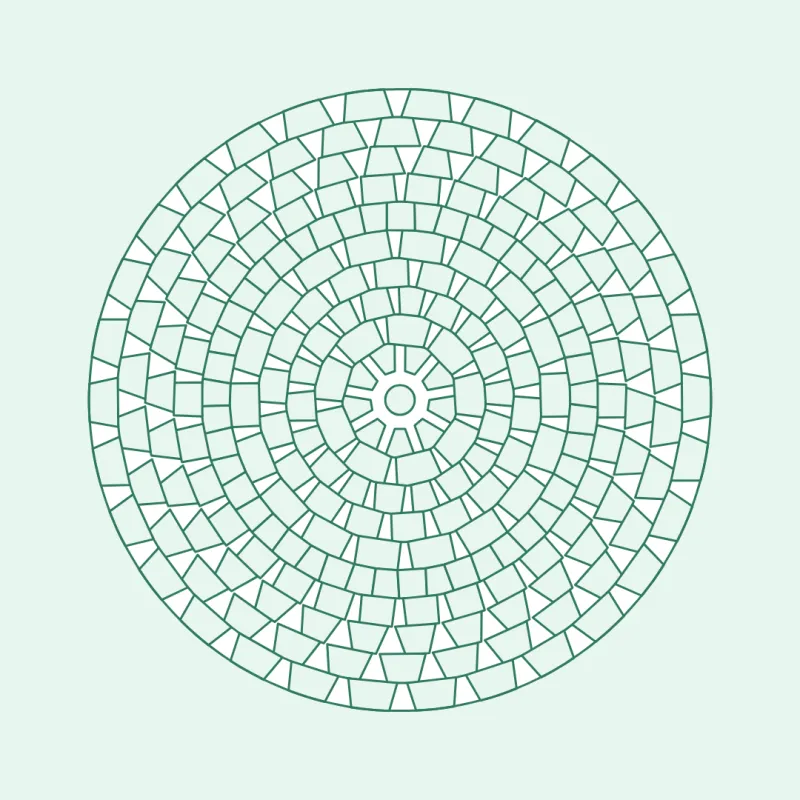
Semé Doily
Pairs and trios of double crochet are sown over open spaces and finish in a ring of fans. Intermediate, about 5.5 in (14 cm) across.
Intermediate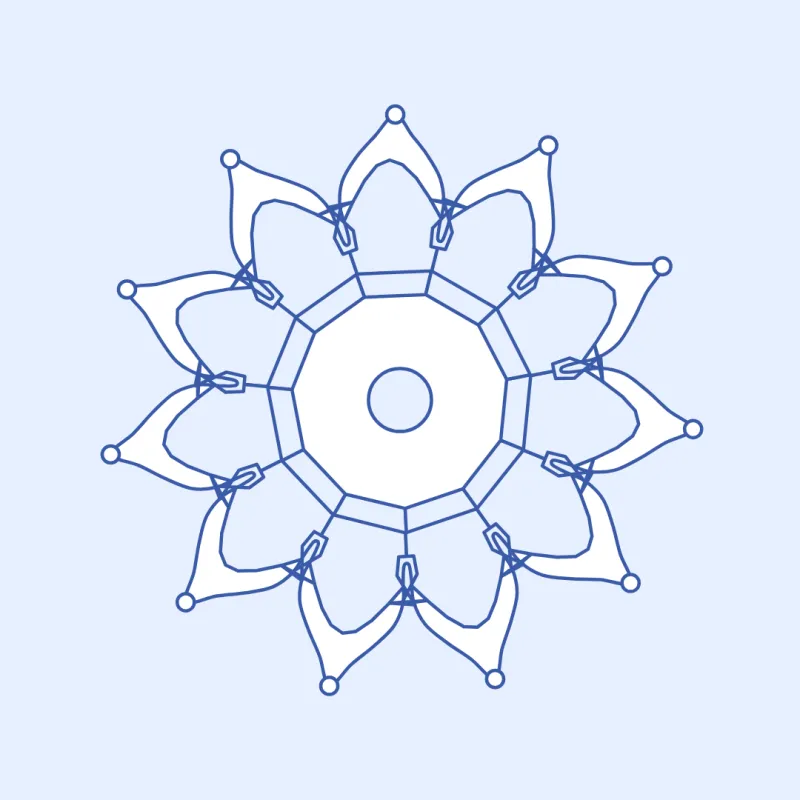
Picot Rosette
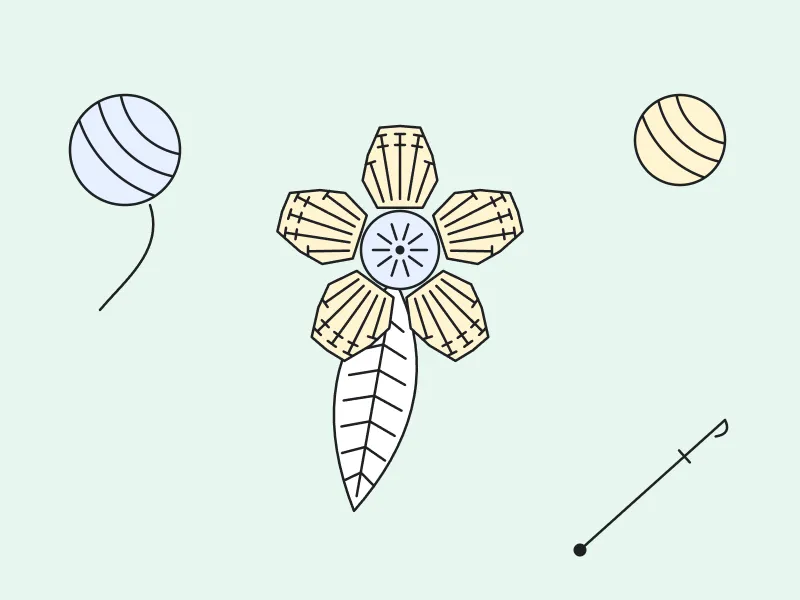
A small solid centre, then two rings of eleven shells, each tipped with a picot. Easy, about 2.5 in (6 cm) across.
Easy
Six-Point Picot Star
Six long loops covered in single crochet around an open centre, with three picots at each point. Intermediate, about 2.5 in (6 cm).
Intermediate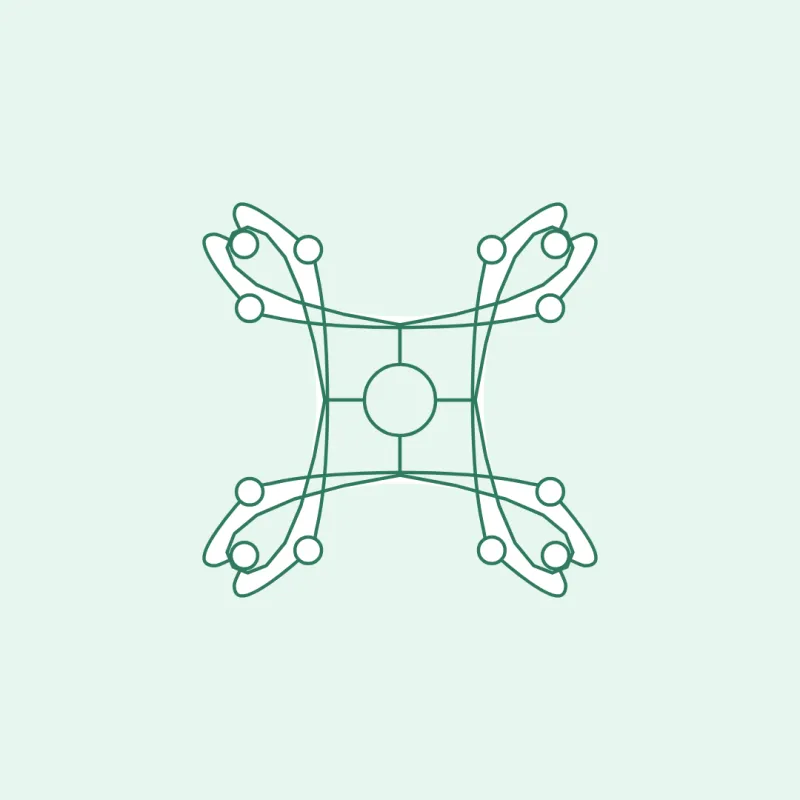
Quatrefoil Medallion
Four long loops covered in single crochet, three picots on each, make a four-leaf motif in two rounds. Easy, about 1.5 in (4 cm).
Easy
Open the pattern book in Row & Round
Antique Crochet Doilies & Medallions is a pattern book in the Row & Round app: $4.99, a single purchase that is yours to keep. Other countries see their local price.
Seven pieces from two old books
Four of the doilies come from Eléonore Riego de la Branchardière, 1846. She called them d'oyleys and, above her six round designs, wrote one line of review: "These D'Oyleys are very beautiful." The three medallions come from an 1870 English needlework book, where each began life as one patch of a much larger d'oyley.
Levels and finished sizes, after blocking:
- Diamond Doily: Intermediate, about 6.5 in (17 cm) across, 12 rounds
- Trellis Doily: Easy, leaning Intermediate, about 6 in (15 cm), 12 rounds
- Scallop Doily: Easy, leaning Intermediate, about 6 in (15 cm), 12 rounds
- Semé Doily: Intermediate, about 5.5 in (14 cm), 11 rounds
- Picot Rosette: Easy, about 2.5 in (6 cm), 7 rounds
- Six-Point Picot Star: Intermediate, about 2.5 in (6 cm), 4 rounds
- Quatrefoil Medallion: Easy, about 1.5 in (4 cm), 2 rounds
The Diamond Doily: eight wedges that split
Riego opens with one sentence: "Make a chain of 8 stitches, and join it." Round 1 puts a double crochet and a chain-3 space into each chain, which gives you eight spokes. Rounds 2 to 5 widen each one by two stitches, from 3 to 9 double crochet, so by round 5 you are holding eight fat wedges and 72 double crochet.
Then the doily changes its mind. Round 6 skips stitches at the edge of every wedge and the solid fabric breaks into 16 small chain-2 spaces. By round 12 those spaces have turned into open diamonds with a chain-3 point between each pair. The doily uses only double crochet and short chains, which is why the pattern is rated Intermediate rather than Easy: the stitches are plain, the counting is not.
Round 6 is the one to watch. If you are following in Row & Round, park the bar there before you put the hook down, because a skipped stitch at the split ripples through every diamond.
Two rounds that would not add up
Every round of every pattern was counted stitch by stitch against the round before, and the old text did not always survive. The Trellis Doily's 8th round says "2 treble in 1, miss 3, 2 chain". On the 126 stitches beneath it, skipping 3 each time leaves a remainder, because 126 does not divide by 4. The version here reads it as two double crochet in the next stitch, chain 2, then skip the chain-2 below, which keeps Riego's own note that the new chain sits over the old one.
The Semé Doily had the same trouble in round 8, with 90 stitches and another "miss 3". Counting the stitch you work into among the three gives 30 repeats, and rounds 9 to 11 then match the original exactly.
Two other 1846 designs, the Damier and Filet d'oyleys, failed in the same way at their 9th and 5th rounds and were left out rather than guessed at.
What "long" meant in 1870, and why the medallions are small
The 1870 pages name stitches differently. Their "double crochet" is today's single crochet, their "single crochet" is a slip stitch, and a plain "long" is never defined. It is read here as a double crochet. The book's glossary does list a Long Double and a Long Treble, so the loops on the Picot Rosette and the Six-Point Picot Star could come out a shade shorter or taller than the original maker's.
Each of these motifs was meant to be sewn to a dozen others on a paper template, with an edging left "to the judgment of the worker". Here they stand alone. The Quatrefoil Medallion is two rounds: four chain-11 loops covered in single crochet, then three picots on each. Join a handful into a strip or scatter them over linen.
A picot on the Rosette is a chain 3 closed with a slip stitch into the top of the last single crochet. The Star and the Quatrefoil use a longer ring picot, chain 5 or 7 and a slip stitch into the fifth or seventh chain from the hook.
Thread, hook and the board you will pin to
The doilies call for size 10 crochet cotton and a 1.75 mm steel hook (US steel size 4). The medallions use size 20 cotton and a 1.3 mm hook (US steel size 10). Budget about 35 to 55 yd (32 to 50 m) for a doily, about 5 to 10 yd (5 to 9 m) for a medallion, and about 210 yd (192 m) for all seven. White or ecru is traditional, though any colour works.
Gauge matters little here. Choose the hook that gives a firm, flat fabric, and know that finer thread makes a smaller piece and heavier thread a larger one. The sizes above are estimates worked out from stitch counts.
Plan to block. Riego's increases are uneven in places, notably the Diamond Doily's rounds 6 to 8, and a damp pin-out on a board does most of the work of flattening them. You need a tapestry needle and rust-proof pins; spray starch is optional.
Which one to hook first
Start with the Quatrefoil Medallion. It takes two rounds and a handful of yards, and it tells you quickly whether size 20 thread suits your hands. The Picot Rosette is the next step: a ring of 11 chains, seven rounds, and no stitch beyond chain, slip stitch, single crochet and double crochet.
Among the doilies, the Trellis and the Scallop are the gentler pair. Leave the Diamond and the Semé until you are comfortable counting chain spaces without a marker in each one.
Questions
- Do these crochet doily patterns use US or UK terms?
- US terms. Riego's 1846 "plain" is single crochet and her "treble" is double crochet. The abbreviations list gives the UK name where it differs, for example sc is single crochet (UK double crochet).
- Do I have to block a doily?
- Plan to. Some of the 1846 increases are uneven, especially in the middle rounds of the Diamond Doily, and blocking with pins on a board flattens them. The finished sizes given are measured after blocking.
- Can I use thicker thread than size 10?
- Yes. Gauge is not critical for a doily, so heavier thread gives a larger piece and finer thread a smaller one. Pick the hook that makes a firm, flat fabric, and expect to use more yardage.
- What is a picot, and why are there two kinds?
- The small picot is chain 3, then a slip stitch into the top of the last single crochet. The Six-Point Picot Star and the Quatrefoil Medallion use a larger ring picot, chain 5 or 7 closed into the fifth or seventh chain from the hook.
- Were the medallions always separate pieces?
- No. In the 1870 book each motif was one of many sewn together into a larger d'oyley. Here every one is a medallion in its own right, and you can join several yourself.
Open the pattern book in Row & Round
Antique Crochet Doilies & Medallions is a pattern book in the Row & Round app: $4.99, a single purchase that is yours to keep. Other countries see their local price.