
Six vintage baby knits from 1917 and 1920, rewritten for today
This pattern book holds six vintage baby knitting patterns from 1917 and 1920, rewritten for modern yarn: two sacques, two bonnets, bootees and mittens, four knit and two crochet. Each comes in three sizes from 0 to 12 months, with written rows and a chart.
- Knitting and crochet
- 6 patterns
- $4.99 in the app
What’s in 1910s–20s Baby & Child Knits
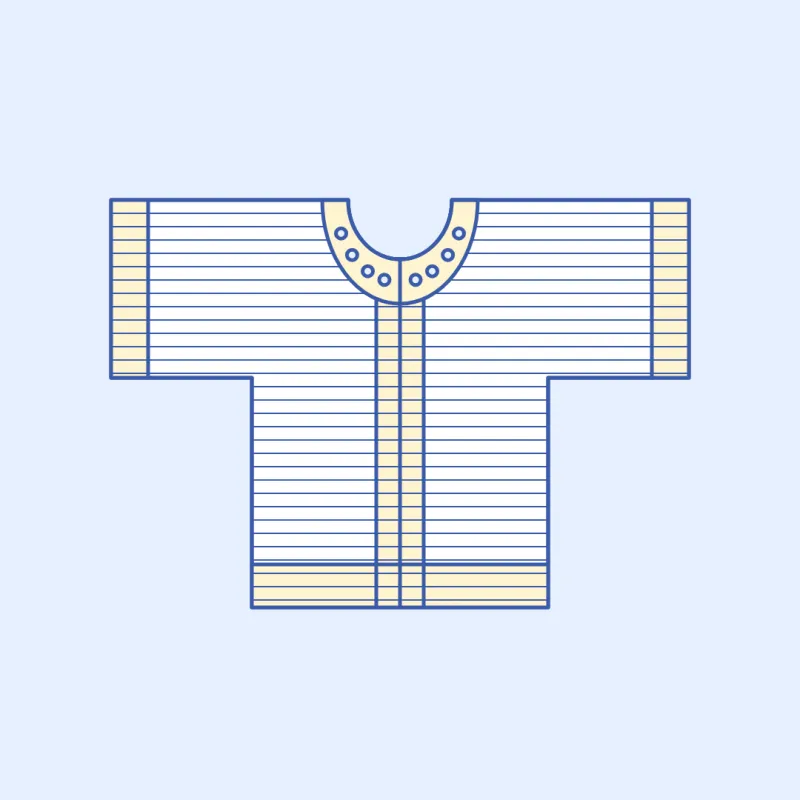
Garter Ridge Sacque
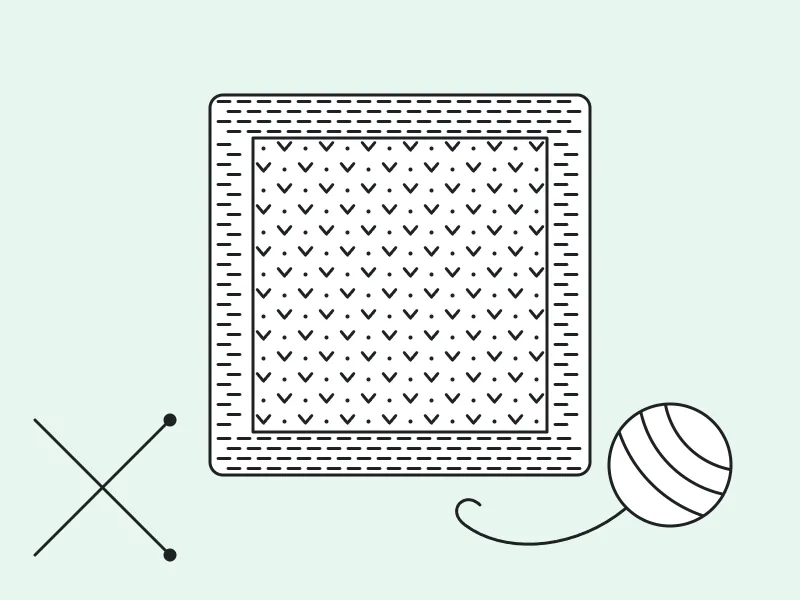
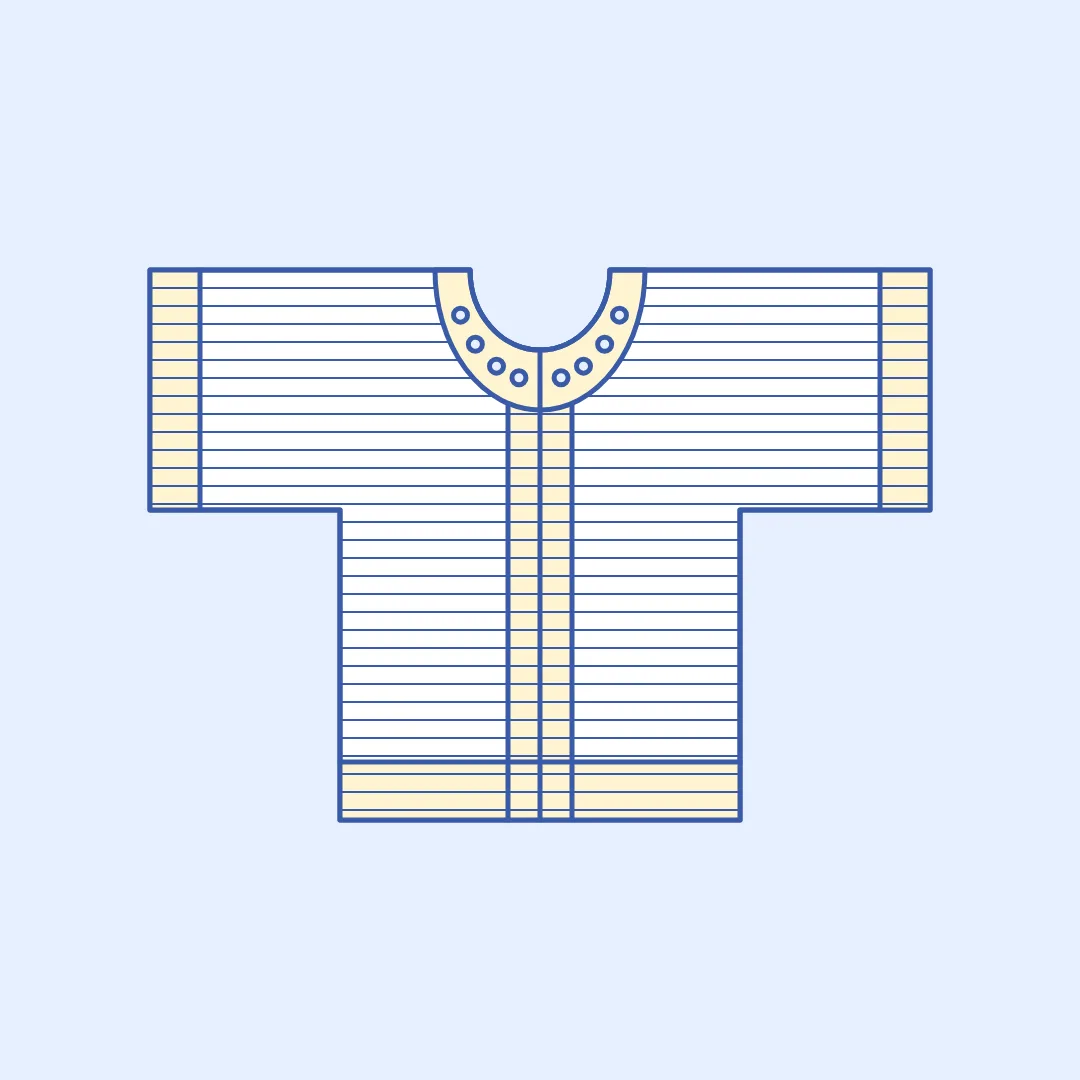
Garter-stitch jacket knitted in one T-shaped piece, both fronts at once with two balls, contrast bands and an eyelet collar. Easy. Sizes 0–3, 3–6 and 6–12 months.
Easy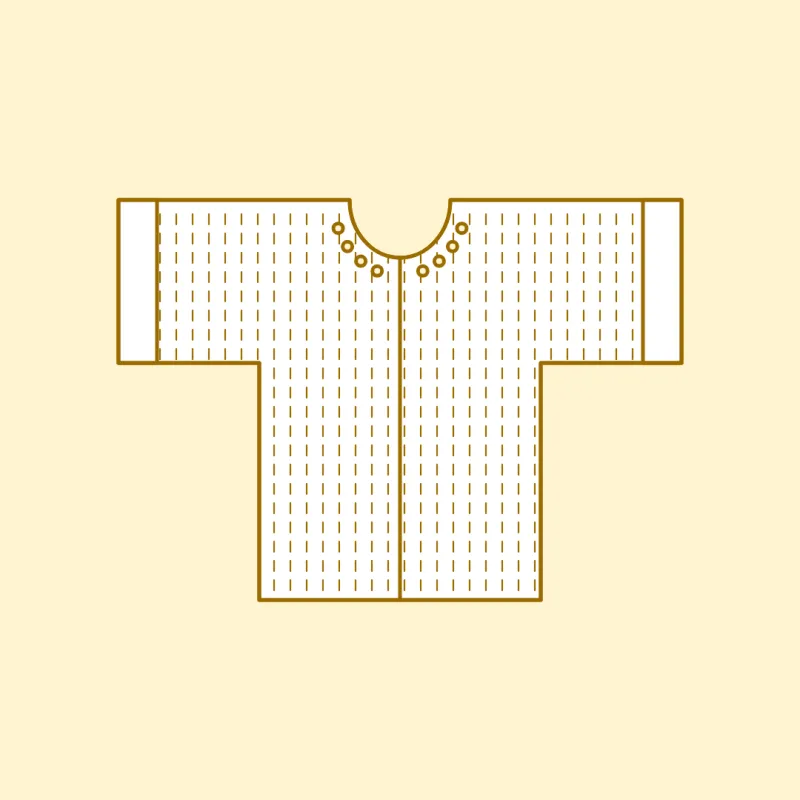
Column Stitch Sacque
Crocheted jacket in single and double crochet that stack into soft columns, worked in one piece with chained-on sleeves. Easy/Intermediate. Sizes 0–3, 3–6 and 6–12 months.
Easy to intermediate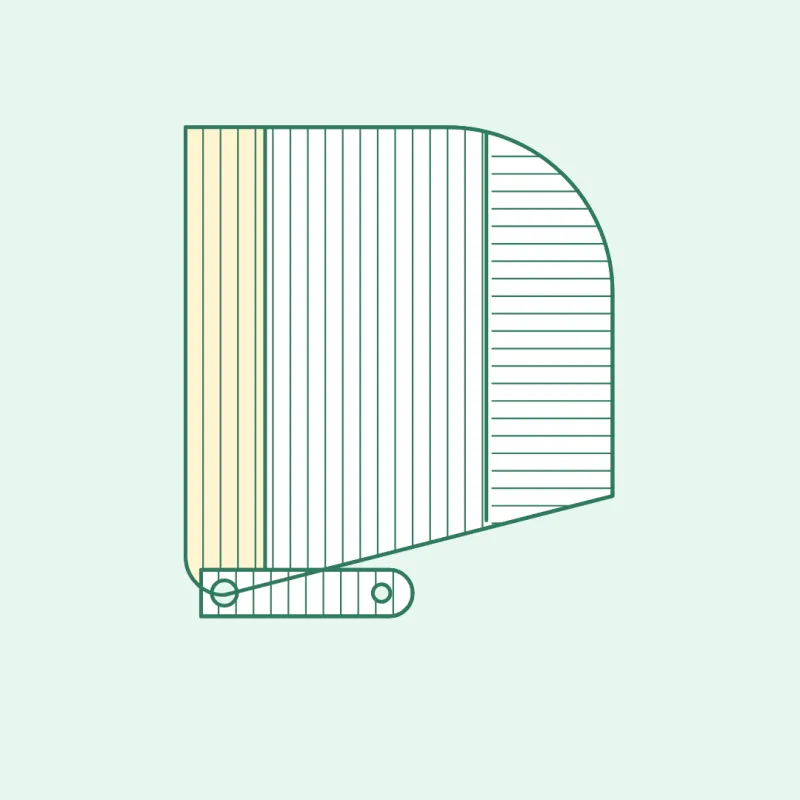
Garter Stripe Bonnet
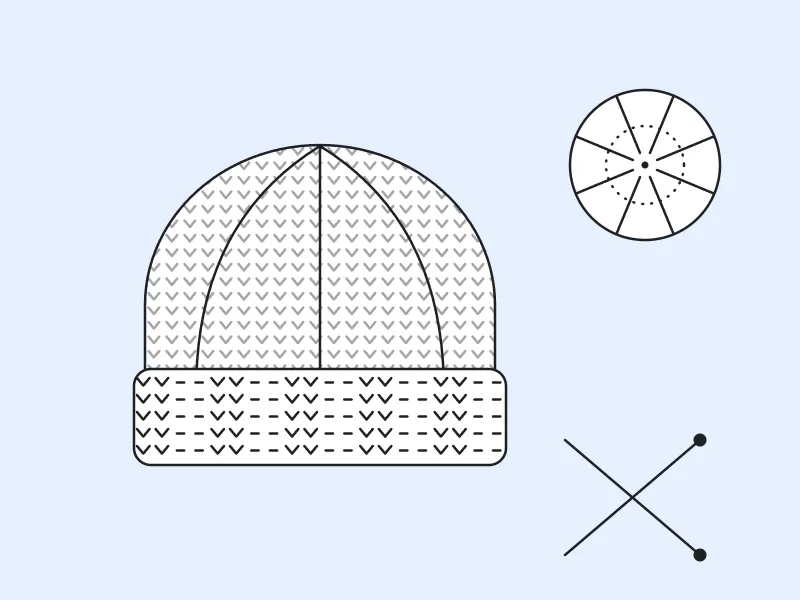
Three-panel garter bonnet from one rectangle: bind off the side thirds, carry on the middle, sew up. Contrast face band and a short button strap. Easy. Sizes 0–3, 3–6 and 6–12 months.
Easy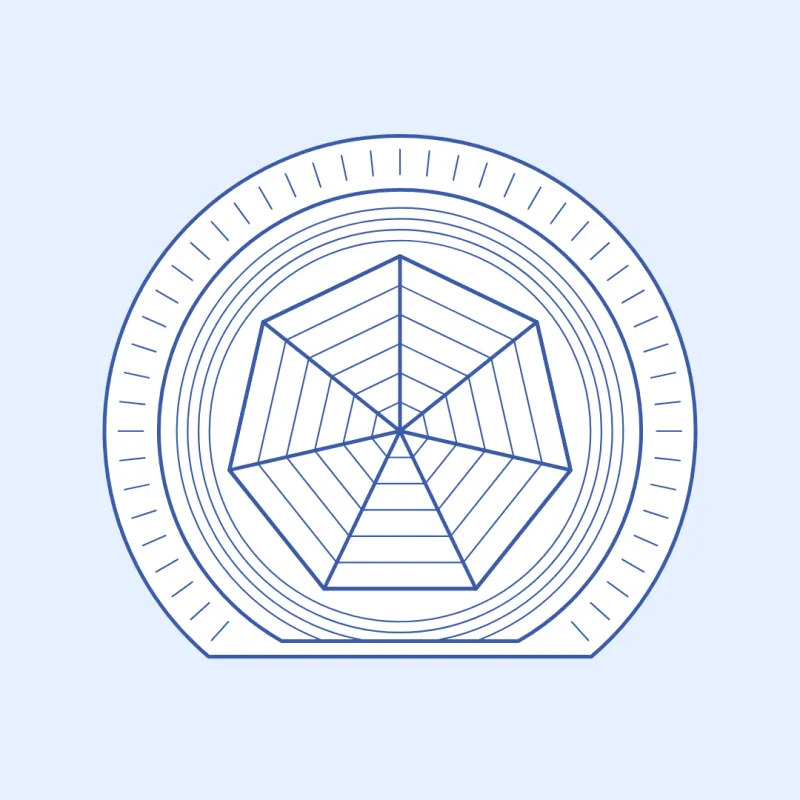
Seven-Point Crown Bonnet
Round crocheted bonnet grown from a centre ring in seven wedges, with a flat crown, a double crochet face band and a turned-back brim. Easy/Intermediate. Sizes 0–3, 3–6 and 6–12 months.
Easy to intermediate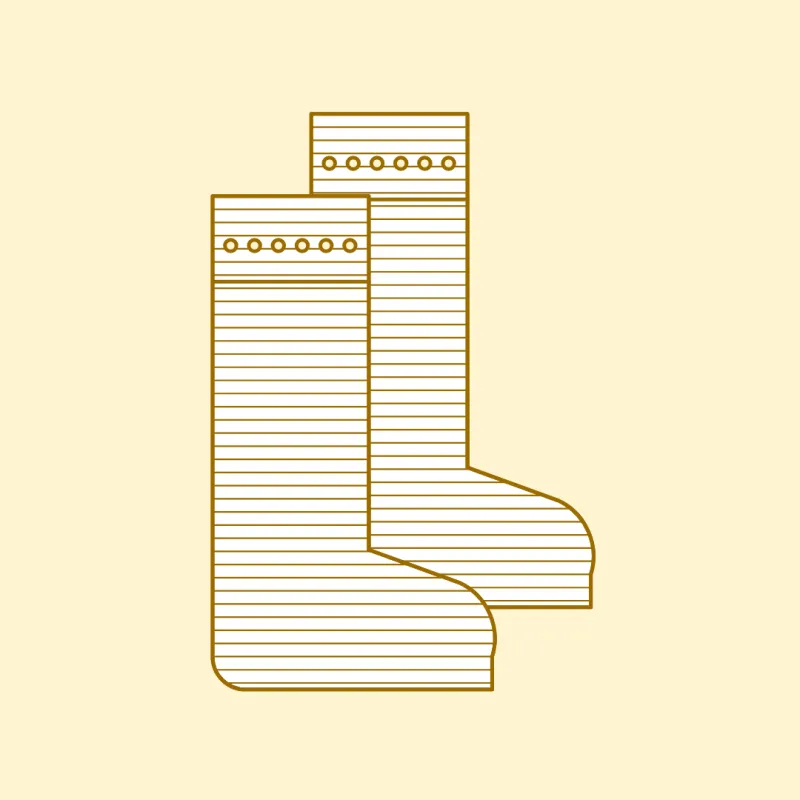
High Garter Bootees
Tall garter bootees with an eyelet row, short-row shaping at the front and a seamed sole. Intermediate. Sizes 0–3, 3–6 and 6–12 months.
Intermediate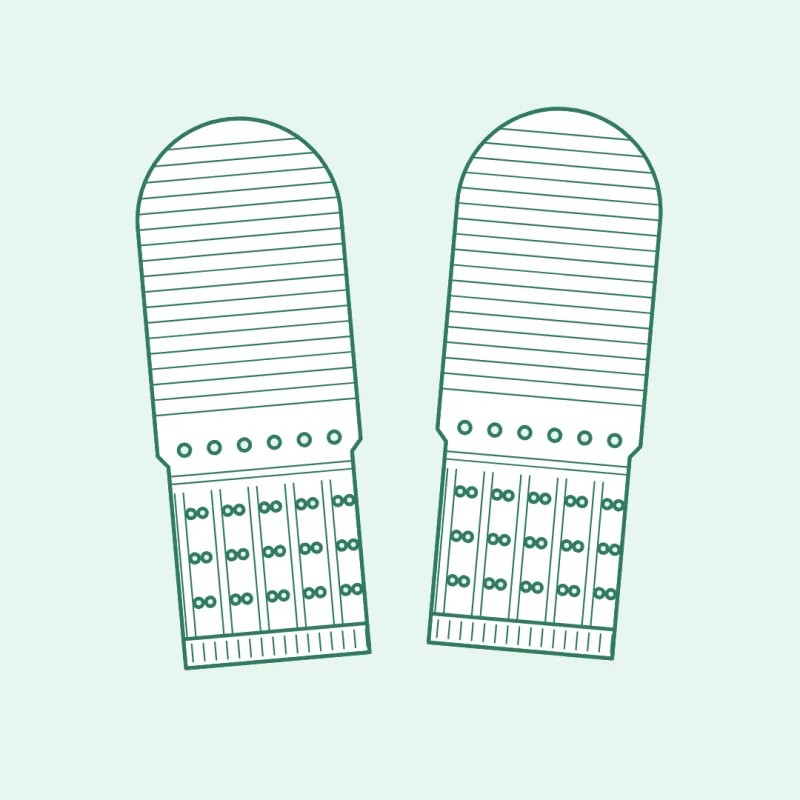
Eyelet Cuff Mittens
Thumbless mittens knitted in the round: a rib, a lace eyelet cuff, then a garter-stitch hand gathered at the top. Easy/Intermediate. Sizes 0–3, 3–6 and 6–12 months.
Easy to intermediate
Open the pattern book in Row & Round
1910s–20s Baby & Child Knits is a pattern book in the Row & Round app: $4.99, a single purchase that is yours to keep. Other countries see their local price.
Six small pieces from two old books
Four of the patterns come from a 1920 yarn-company booklet: the two sacques and the two bonnets. The bootees and the mittens come from a 1917 knitting book edited by Olive Whiting. Both books gave one size, very fine wool and a few lines of instructions per item. Here each piece has three sizes, sport, DK or fingering weight yarn, and rows you can count.
Put together they make a full set for a new baby. Made one at a time, they are six quick gifts. If you have only knitted flat so far, begin with the Garter Ridge Sacque or the Garter Stripe Bonnet. Both are knit-every-row garter stitch.
- Garter Ridge Sacque, knit, Easy: one T-shaped piece with contrast bands and an eyelet collar.
- Column Stitch Sacque, crochet, Easy/Intermediate: single and double crochet stacked into columns.
- Garter Stripe Bonnet, knit, Easy: three panels from one rectangle, with a contrast face band.
- Seven-Point Crown Bonnet, crochet, Easy/Intermediate: worked from a centre ring, with a turned-back brim.
- High Garter Bootees, knit, Intermediate: tall legs, an eyelet row and short-row shaping.
- Eyelet Cuff Mittens, knit, Easy/Intermediate: thumbless, in the round, with a lace cuff.
Counts that never quite added up
Old patterns were written for a knitter who would fudge a stitch or two without comment, and a few of these numbers can't be followed as printed. The 1917 mittens are the clearest case. Their cast-on leaves 37 stitches once the first round is decreased, yet the lace needs a multiple of 5 and the top decreases ("knit 7, narrow") a multiple of 9. No size satisfies both, so the counts here are reset for each size. The lace spacing and the decrease spacing are the original's.
The 1920 sacque has a smaller puzzle in its collar: "Knit 5 stitches, throw thread around needle. Knit 2 together, continue from * across row." The booklet never says how many stitches to pick up round the neck. The pick-up here is set so the repeat comes out even, five stitches per eyelet plus three, and the instruction reads k3, *yo, k2tog, k3.
Another small change: the books count "ribs", which are two rows of plain knitting. Where the 1920 sacque says to knit 12 ribs, you work 24 rows, and the pattern counts them as rows and ridges instead.
Short rows at the knee of a 1917 bootee
The bootee leg is the oddest passage in either book: "To shape knee, knit 28 stitches, turn, knit 6, turn, knit 8, turn, knit 10, and so on till all your stitches are used." That is short-row shaping, written before anyone called it that. Here it is spelled out as rows that each knit two stitches past the last turn, with the centre stitches left as they were in 1917.
The original used very fine wool on No. 16 steel needles. The bootees now use sport-weight yarn on 3.25 mm needles, and the foot measures 3½ in (9 cm) in the smallest size. The eyelet row, which the old book made with a double thread-over, is a plain yarn over and k2tog. The instep is a narrow strip of stitches taken off the middle, and the sole is closed with a three-needle bind-off in place of "knit sole together, and sew up the back".
Expect to look at this pattern twice. It is the one at Intermediate, and the knee is the reason.
Crochet: stacked columns and a crown with seven corners
The Column Stitch Sacque takes its texture from one instruction in 1920: "being careful to have s. c. on top of s. c. and d. c. on top of d. c. of row below." Single crochet over single crochet and double crochet over double crochet makes ridges that run straight up the fabric. Every row has an odd number of stitches and starts and ends with a single crochet, which is how the columns stay lined up when the sleeves are chained on. The booklet's "crazy st." borders are never defined, so here they are read as the same column stitch.
The Seven-Point Crown Bonnet starts as the old book did, with seven stitches in a ring and a warning that "the work must be done firmly". Seven increase points travel up the crown. In 1920 the wedges grew until there were 23 stitches between each increase, which only works in very fine wool. Here they stop at 11, 12 or 13 stitches by size, then run straight, and the top shaping is a round of sc2tog per wedge, because the original's "skip every 4th stitch" leaves holes.
After the crown comes a double crochet face band, then a few rows of the column stitch for the turned-back brim. The finished crochet sacque measures 18½ in (47 cm) round the chest and 9½ in (24 cm) long in the smallest size.
Working outward from the back edge
Both knit pieces from the 1920 booklet are built from a single start. The sacque begins at the lower back edge, grows sleeves by casting on at each side, divides at the neck and goes down the two fronts. The old booklet worked one front, then the other. Here both go at once, each with its own ball, so they end the same length. Row 22 is where the second ball joins; if you are following in Row & Round, that is a good row to park the highlighter bar on while you sort out the yarn.
The Garter Stripe Bonnet is one rectangle. After the contrast face band and a block of main colour, Row 17 begins binding off the two side thirds, and the middle third keeps going as the back panel. Fold each side up to meet it, sew two seams and add the strap. The original's last words were "Sew up."
The knit sacque measures 20½ in (52 cm) round the chest with the fronts meeting, which is generous on purpose, and 9½ in (24 cm) from shoulder to hem in the smallest size. The bonnet's face edge is 13 in (33 cm), for a head of 14 in (35.5 cm).
Yarn, needles and gauge for the set
Most of the book is sport weight, with DK for the crochet sacque and fingering weight for the mittens. Choose wool or a blend that can go in the machine. The amounts below are about, for the smallest size, so buy a little extra.
Knit gauge is 22 stitches and 44 rows (22 ridges) to 4 in (10 cm) in garter stitch. The crochet sacque is 18 stitches and 14 rows to 4 in (10 cm) in column stitch. Swatch first, because the fit depends on it.
- Knit sacque: about 400 yd of main colour and about 120 yd of contrast, US 4 (3.5 mm) needles.
- Crochet sacque: about 370 yd of DK, 4.0 mm hook.
- Each bonnet: about 120 yd, US 4 (3.5 mm) needles or a 3.5 mm hook. The knit one also takes about 30 yd of contrast.
- Bootees: about 150 yd, US 3 (3.25 mm) needles.
- Mittens: about 80 yd of fingering weight, US 2 (2.75 mm) double-pointed needles, 4¼ in (11 cm) round the hand.
- A tapestry needle, a stitch marker for the mittens and a small button for the sacques and bonnets.
Ribbon came off every one of them
The old books trim these pieces freely. The bootee pattern asks you to "finish with ribbon, elastic or crocheted cord", the mittens thread ribbon at the wrist, the crochet sacque has a neck beading row for ribbon and the crochet bonnet has a rosette. Every one of those is gone.
What replaced them is plain. Bonnets close with a short strap and a firmly sewn button. The sacques close with one button or stay open. The beading and eyelet rows stay for how they look, and the bootee eyelets can take soft elastic threaded loosely, or stay empty.
One rule covers every piece in the book: no ties, cords, ribbons or long loops. Sew buttons on very firmly and check them before each wear. Take a bonnet off for sleep.
Questions
- Which pattern should I start with if I have only made scarves?
- The Garter Ridge Sacque or the Garter Stripe Bonnet. Both are Easy and are knitted on every row, with no purling. The bonnet is faster, and the sacque teaches you to work two balls at once.
- What is a ridge, and why do the old books say ribs?
- A ridge is two rows of garter stitch, and you count them on the right side. The 1917 and 1920 books call the same thing a rib. Wherever an old pattern says 12 ribs, expect 24 rows.
- Can the mittens be worked without double-pointed needles?
- Yes. Use a long circular needle and work them by magic loop, with a stitch marker at the start of the round. They are small enough that either method works.
- Can I use a different yarn weight from the one listed?
- Only if you can match the gauge for that pattern, since the sizes depend on it. A thicker yarn gives a bigger piece with fewer stitches, so the numbers for your size would no longer apply.
- Do the bonnets stay on without ties?
- Each closes with a short strap and a button sewn on firmly, and no ribbon goes under the chin. The knit bonnet's strap is a few garter rows. Check the button each time, and take the bonnet off for sleep.
Open the pattern book in Row & Round
1910s–20s Baby & Child Knits is a pattern book in the Row & Round app: $4.99, a single purchase that is yours to keep. Other countries see their local price.