
Eight Victorian cloths, one old stitch each
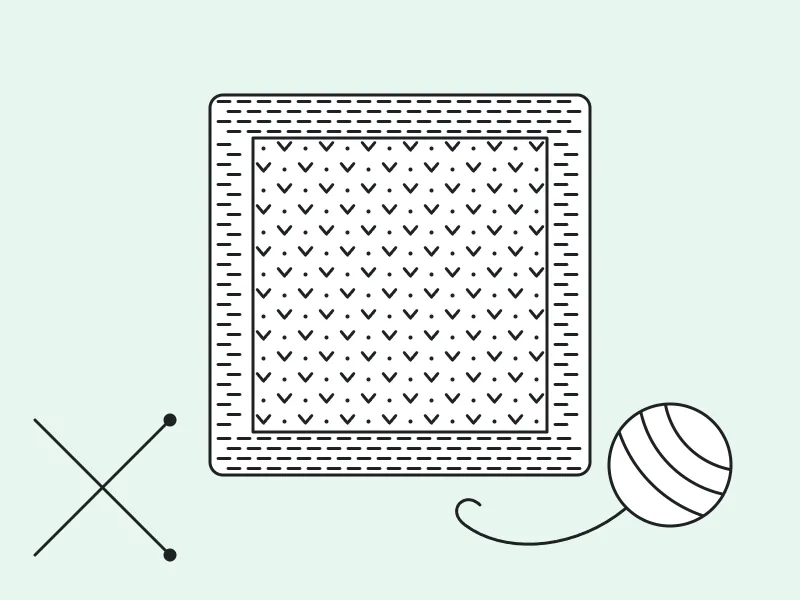
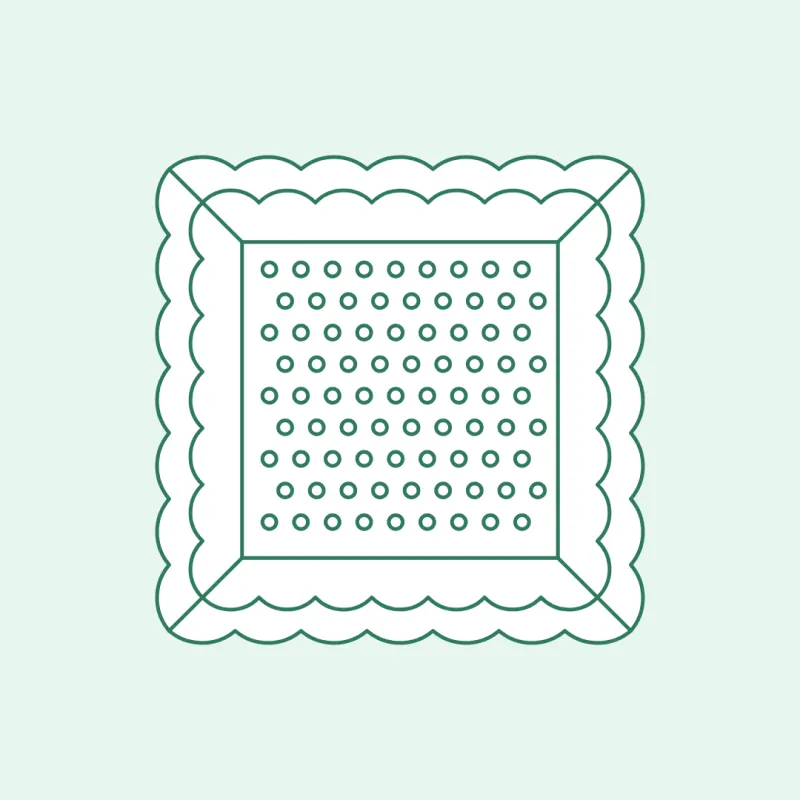
These Victorian knitting patterns are eight 9-inch cloths, each built on a single stitch from books of 1843, 1846 and 1847, then written out again in modern terms with a garter border. Knit one for the stitch, or sew all eight into a runner.
- Knitting
- 8 patterns
- $4.99 in the app
What’s in Victorian Stitch Sampler Cloths
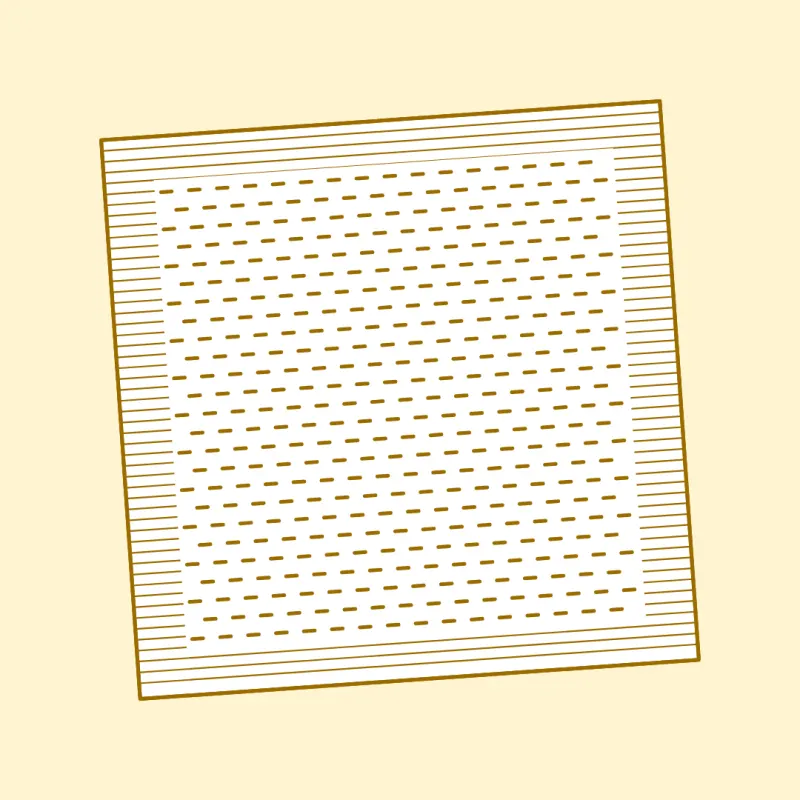
Sugar-Plum Cloth
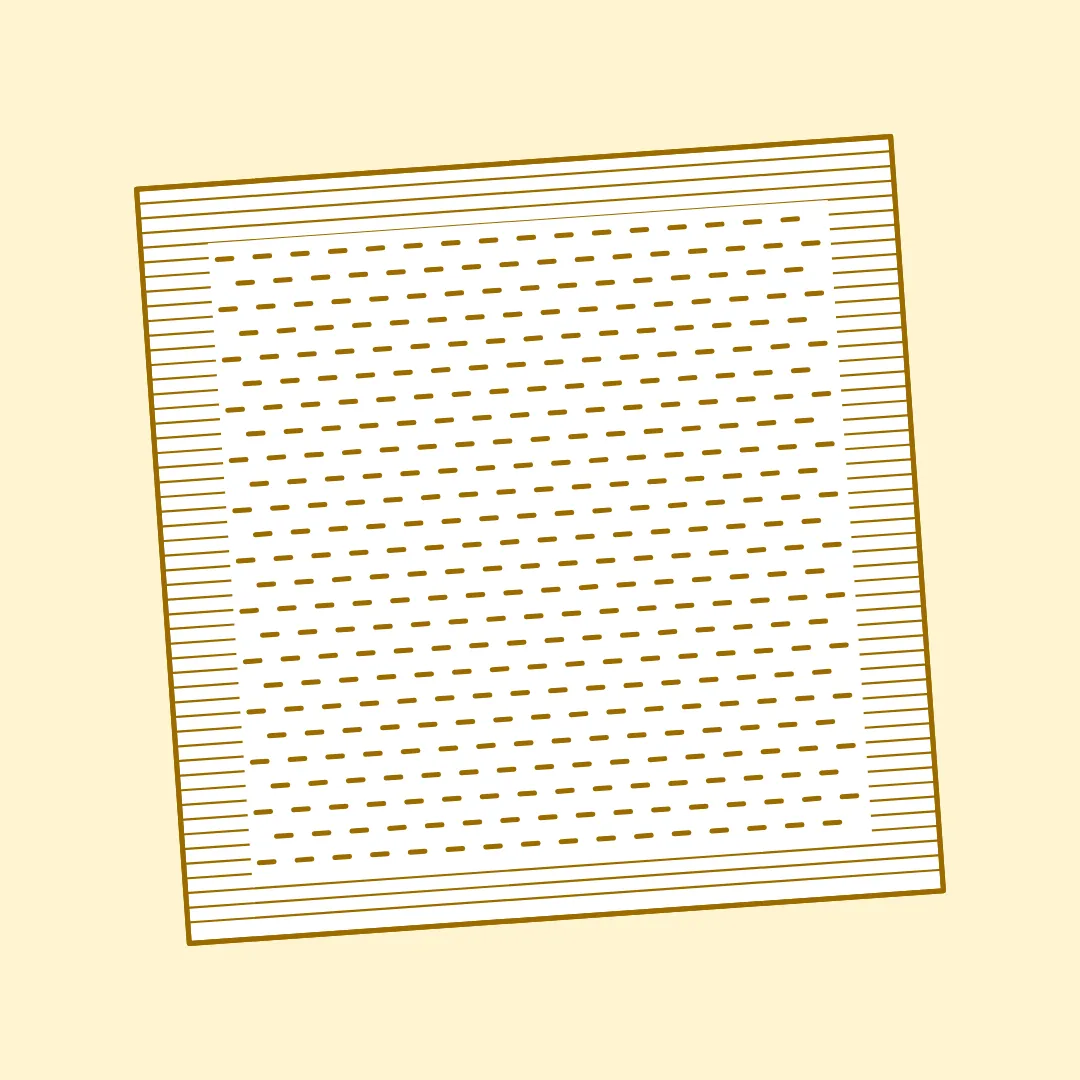
Linen stitch, which Mee called sugar-plum stitch in 1846: slipped stitches make a tight basket weave. The densest cloth and the hungriest for yarn. Easy, about 9 × 9 in (23 × 23 cm).
Easy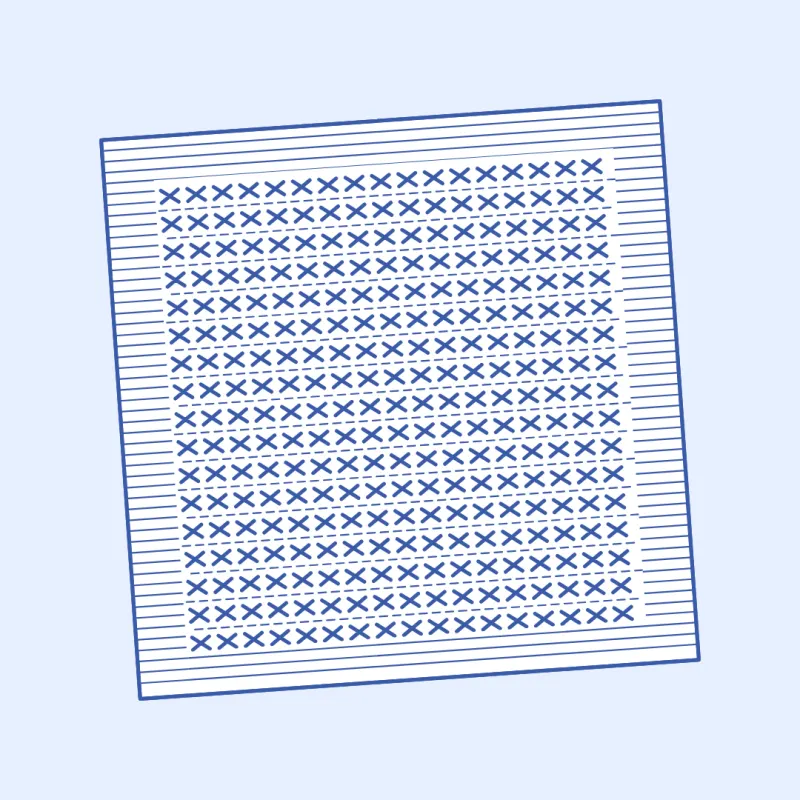
Crossed Stitch Cloth
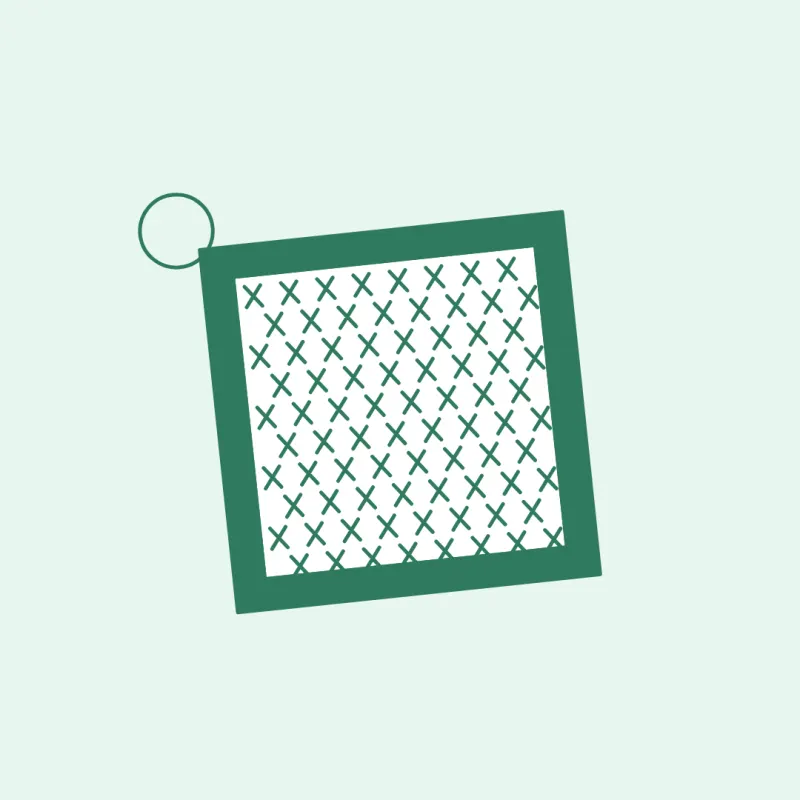
Pairs of stitches twisted on every right-side row over a garter ground, taken from the band of a pair of 1846 cuffs. Easy, about 9 × 9 in (23 × 23 cm).
Easy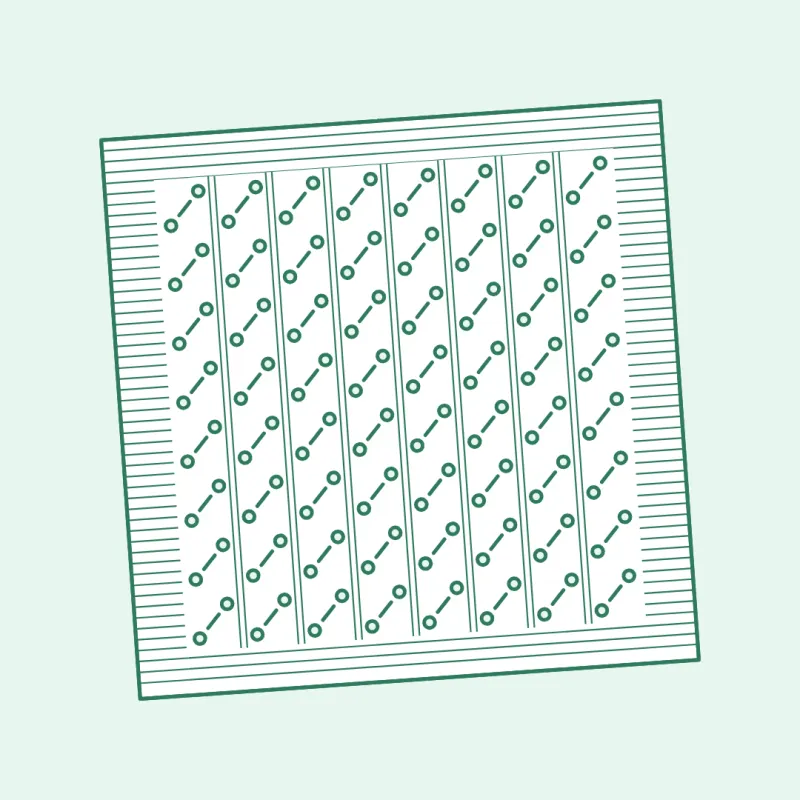
Diagonal Check Cloth
Purl columns frame narrow panels while a line of eyelets steps one stitch sideways on each right-side row. Easy, about 9 × 9 in (23 × 23 cm).
Easy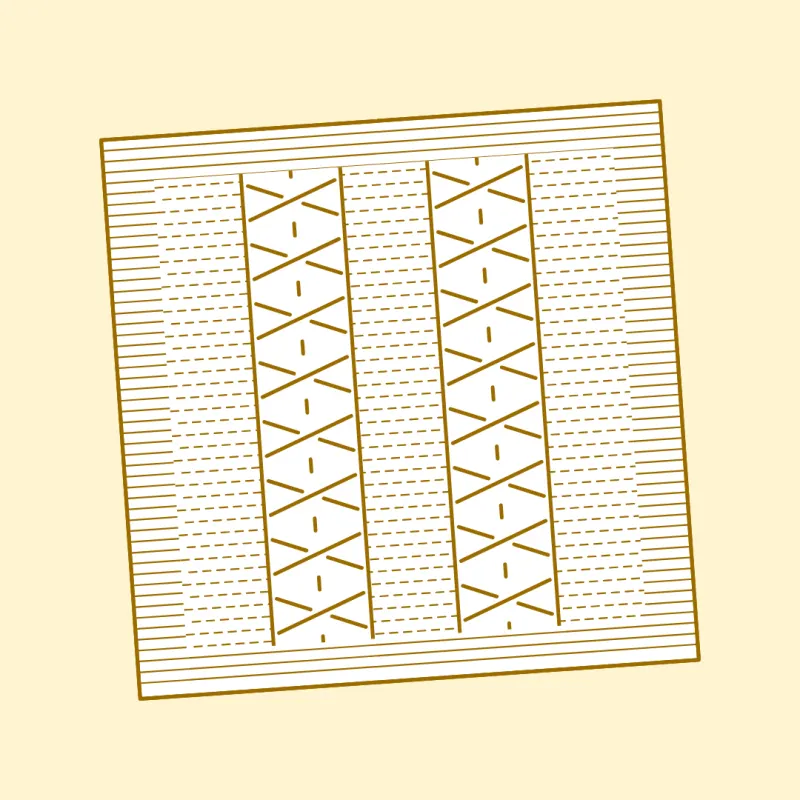
Twisted Rope Cloth
Two stocking-stitch ropes, crossed every twelve rows on a garter ground. The only cloth that needs a cable needle. Easy to Intermediate, about 9 × 9 in (23 × 23 cm).
Easy to intermediate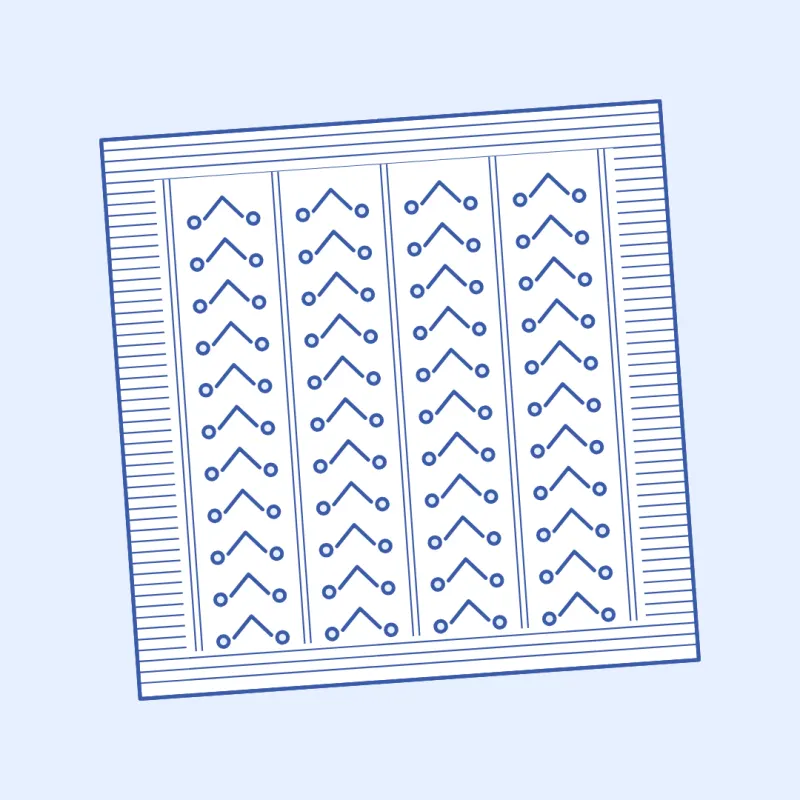
Eyelet Arrow Cloth
Purl ribs with paired eyelets drawing together into stacked arrowheads. Easy to Intermediate, about 9 × 9 in (23 × 23 cm).
Easy to intermediate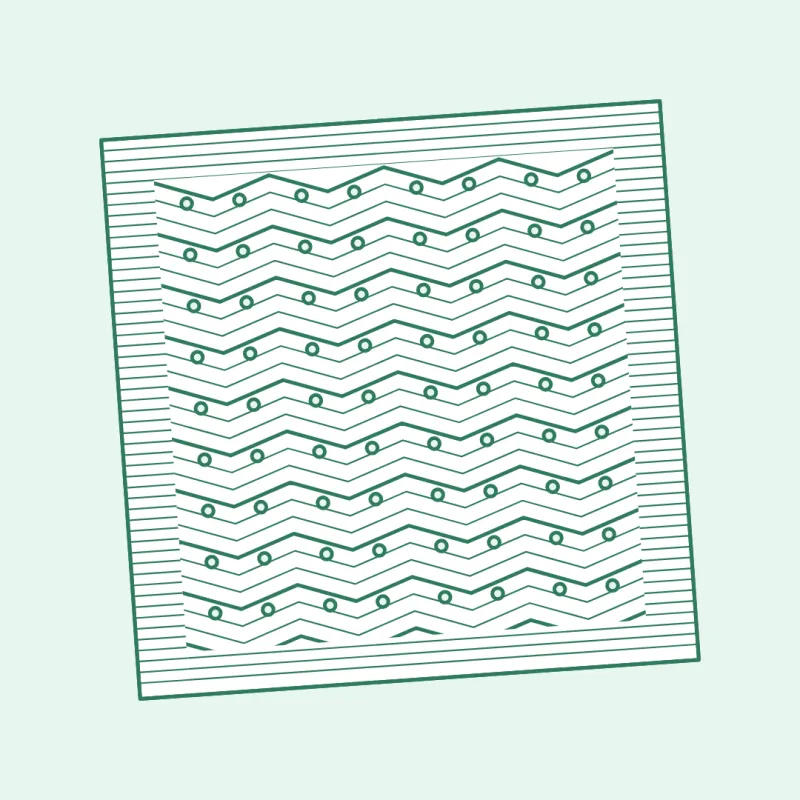
Feather Chevron Cloth
Lace that swells and narrows into chevrons, then rests on plain rows. Intermediate, about 9 × 9 in (23 × 23 cm).
Intermediate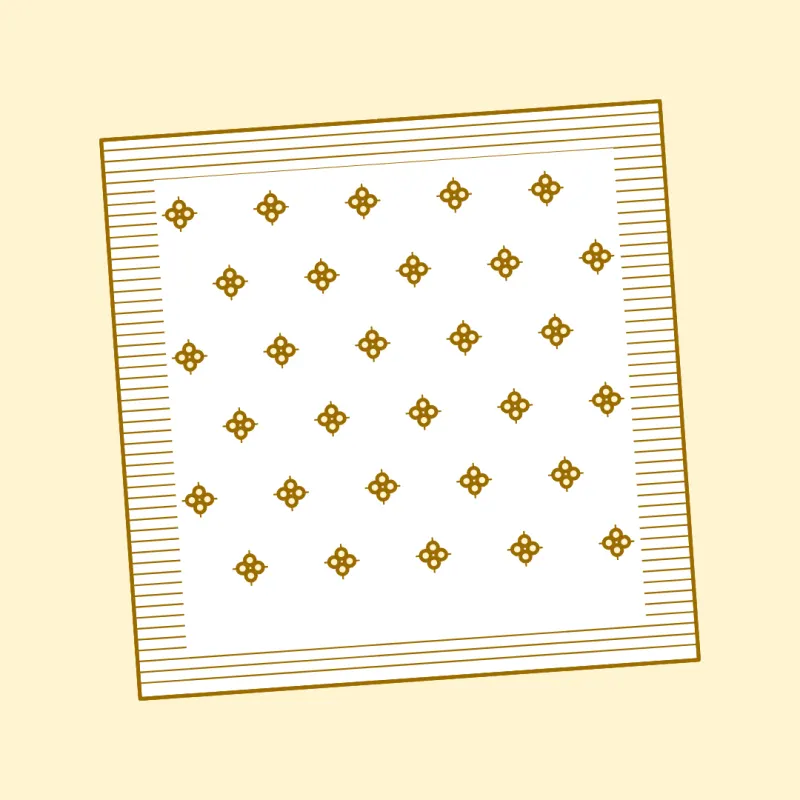
Spider Lace Cloth
Staggered clusters of eyelets, with a purl row after every lace row to steady the pace. Intermediate, about 9 × 9 in (23 × 23 cm).
Intermediate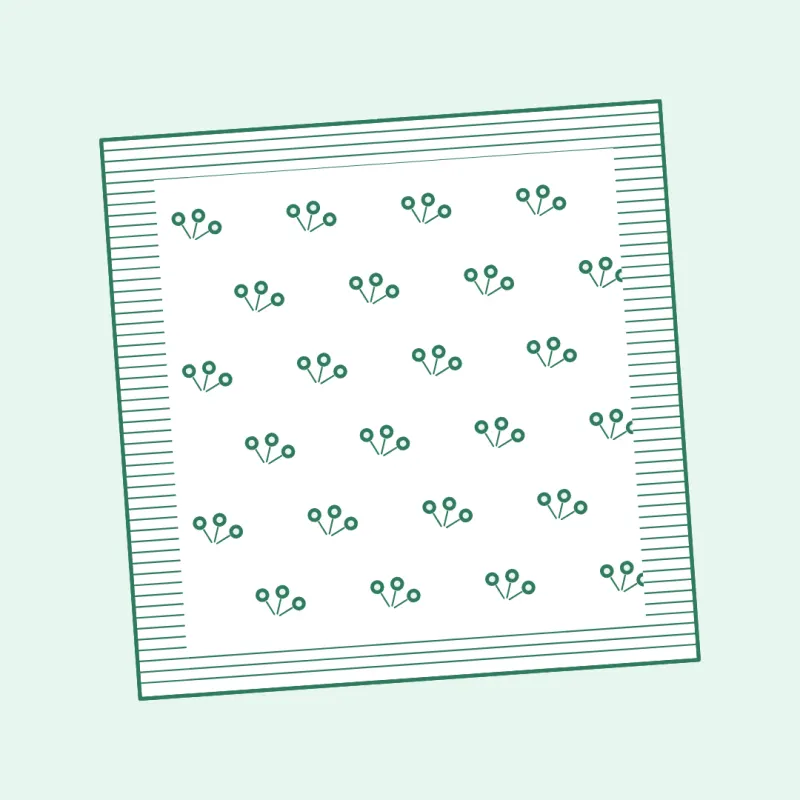
Lattice Lace Cloth
Small eyelet fans leaning across the cloth inside a garter frame. Intermediate, about 9 × 9 in (23 × 23 cm).
Intermediate
Open the pattern book in Row & Round
Victorian Stitch Sampler Cloths is a pattern book in the Row & Round app: $4.99, a single purchase that is yours to keep. Other countries see their local price.
Eight cloths from three old books
Miss Lambert's My Knitting Book (1843) gave patterns for purses and bags. Cornelia Mee's Exercises in Knitting (1846) covered shawls, cuffs and a chair cover. Marie Jane Cooper's The New Guide to Knitting & Crochet (1847) printed stitches with hardly a word about what to make of them.
From those pages come eight cloths. Each is worked flat from the lower edge up, in one size, with the same garter frame, so a lace cloth and a cabled cloth end up the same square.
- Sugar-Plum Cloth: linen stitch, a tight basket weave. Easy.
- Crossed Stitch Cloth: tiny twisted columns on garter. Easy.
- Diagonal Check Cloth: purl columns with eyelets climbing the slant. Easy.
- Twisted Rope Cloth: two thick cables. Easy to Intermediate.
- Eyelet Arrow Cloth: purl ribs and small arrowheads. Easy to Intermediate.
- Feather Chevron Cloth: a lace zigzag with plain rows between. Intermediate.
- Spider Lace Cloth: scattered eyelet clusters. Intermediate.
- Lattice Lace Cloth: little fans leaning across the cloth. Intermediate.
Sugar-plum stitch and the twelve stitches Mee never needed
Mee's note on the stitch is short: "Very pretty for babies' quilts, done in shaded wool and large pins." She cast on an odd number and gave her rows no edge stitches at all. A quilt can afford that. A cloth with a garter frame cannot.
Inside four border stitches each side, the centre has to be an even number, because the stitch only works if every slipped stitch is purled on the way back. Then comes the second problem. Slipped stitches pull the fabric in, so a centre cast on at the border's width would end up narrower than its frame. Row 6 adds twelve stitches and Row 9 takes them away again, which is why the cloth lies square instead of waisting.
Keep the strand across the front loose. Pulled tight, it shrinks the weave and you will feel it in the width. This is also the cloth that eats the most yarn, about 130 yd (119 m), because every second stitch is carried along the row.
Cooper's rope, and the thirteenth row that would not fit
Cooper's "twisted knitting" is one rope on a narrow strip of garter stitch, with no use suggested. Her instruction for the crossing is plain enough: slip four stitches and "keep them behind till you have knit the next four". Her spacing is the awkward part. She twists, knits twelve rows, then twists again.
Read literally, that is a thirteen-row cycle, and every second cross would land on a wrong-side row. So the cloth uses a twelve-row repeat with one cross in it, on Row 17, and every other right-side row is knitted plain. Two eight-stitch ropes sit about 1¼ in (3 cm) wide each on a garter ground.
Row 17 is the row you would hate to knit straight past, and a row alert in Row & Round can flag it. When you block, pin the cloth out without flattening the ropes.
Lace that began life in the round
Lambert's Spider Pattern Bag was worked in rounds in fine purse twist on No. 24 needles, with plain rounds between the lace rounds. Flat, those plain rounds turn into purl rows on the wrong side. Her fifth round also goes straight back to the first, which would put two lace rows together and send one onto the wrong side. Row 12 is a purl row added to stop that, so the repeat is six rows and every lace row faces you.
Cooper's feather pattern gives nineteen stitches on three pins and says "decrease three times more" without saying which way. The cloth leans the second three decreases the opposite way from the first three, so the chevrons mirror. That is a guess about the old wording, and the one place where a different lean might look crisper.
Mee's lattice stitch was knitted into a chair cover in fourteen shades of orange wool, darkest first, six rows of each, then reversed. The cloth keeps her four plain edge stitches and her plain rows at each end. You can shade it the same way, or leave it in one colour.
What to have on the table
Worsted-weight (#4) cotton or a cotton blend, US 7 (4.5 mm) needles, straight or a circular used flat. Add a tapestry needle, rust-proof pins and a towel for wet-blocking. The Twisted Rope Cloth also wants a cable needle.
Each cloth takes about 70 to 130 yd (64 to 119 m), from the Spider Lace Cloth at the low end to the Sugar-Plum Cloth at the top. Gauge runs from about 18 to 24 stitches and 26 to 44 rows over 4 in (10 cm), depending on the stitch, after blocking. For a single cloth it hardly matters. For a set, block each one to the same 9 in square.
If you are choosing an order: the Crossed Stitch Cloth is a gentle first twist because it needs no cable needle, the rope is a first cable, and the Spider Lace Cloth is the kindest lace to start on. Feather Chevron and Lattice Lace ask for steadier hands with yarn overs and decreases.
Sewing eight cloths into one
Same size, same frame, so the cloths join without fuss. The table runner uses all eight in four rows of two and measures about 18 × 36 in (46 × 91 cm). The blanket uses sixteen cloths, each of the eight knitted twice, at about 36 × 36 in (91 × 91 cm).
Budget about 1,450 yd (1,330 m) for the blanket, plus about 60 yd (55 m) for sewing, as an estimate. Use one yarn throughout and wash and block every cloth the same way before joining. Mattress stitch through the garter ridges, strips first, then the strips together.
Questions
- Which cloth should I knit first?
- Take the Crossed Stitch Cloth if you want a twist without a cable needle, or the Spider Lace Cloth if you want gentle lace. The Sugar-Plum Cloth is the simplest to read but the slowest, because the slipped stitches make the fabric dense.
- Why do the yarn amounts differ when the cloths are the same size?
- The stitch decides. Linen stitch is dense and needs about 130 yd (119 m), while open lace like the Spider Lace Cloth needs about 70 yd (64 m). All eight block to about 9 in (23 cm) square.
- Do I need a cable needle?
- Only for the Twisted Rope Cloth. The Crossed Stitch Cloth twists pairs of stitches directly on the needle.
- Can I shade a cloth the way Mee did?
- Yes. Mee shaded her lattice chair cover through fourteen colours, six rows of each. The Lattice Lace Cloth takes the same treatment, or you can keep every cloth in one yarn so the set matches.
- Why does the lace have a purl row after every lace row?
- The old patterns were worked in rounds, so every round faced you. Worked flat, the plain rounds become purl rows on the wrong side, which keeps each lace row on the right side.
Open the pattern book in Row & Round
Victorian Stitch Sampler Cloths is a pattern book in the Row & Round app: $4.99, a single purchase that is yours to keep. Other countries see their local price.