
Old patterns from the 1840s to the 1920s, made workable today
Vintage knitting and crochet patterns, rewritten with modern yarns, needles and sizes: that is what eleven of these fifteen pattern books hold, drawn from public-domain pieces published between the 1840s and the 1920s. The other four are Row & Round Originals. Pick one, such as Fireside Comforts, and keep it for good.
Victorian Lace Edgings
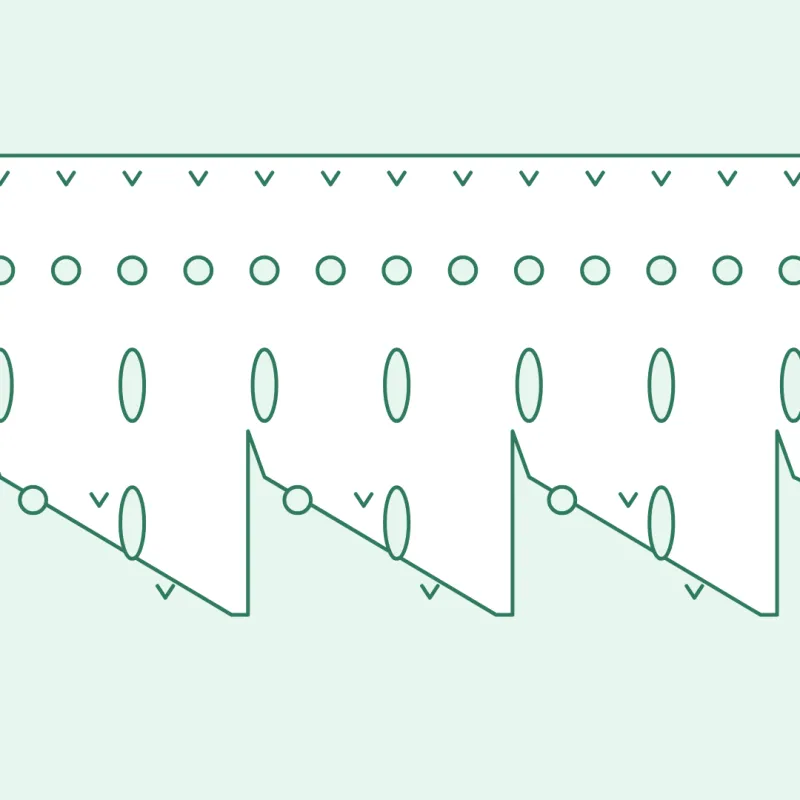
Five Victorian lace edging patterns from 1846 and 1848, Easy to Advanced, with charts and every row laid out for Row & Round.
Knitting · 5 patterns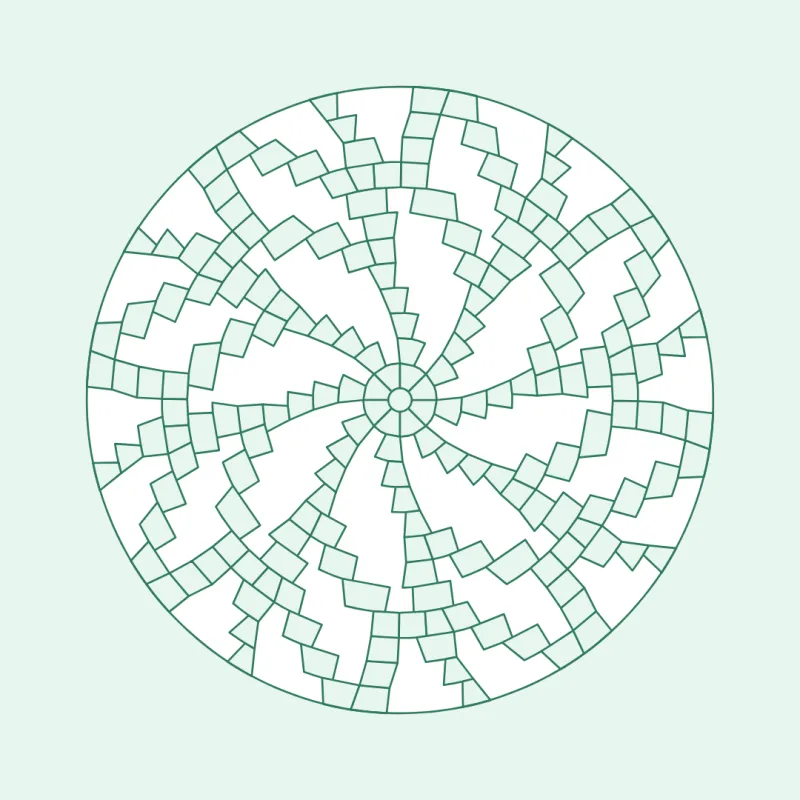
Antique Crochet Doilies & Medallions
Four round doilies from 1846 and three small medallions from 1870, rewritten in US crochet terms with round charts and fine-thread sizes.
Crochet · 7 patterns
Vintage Caps & Tams
Six caps and tams from 1890, 1917 and 1920, four knit and two crochet, rewritten in three sizes for modern yarn.
Knitting and crochet · 6 patterns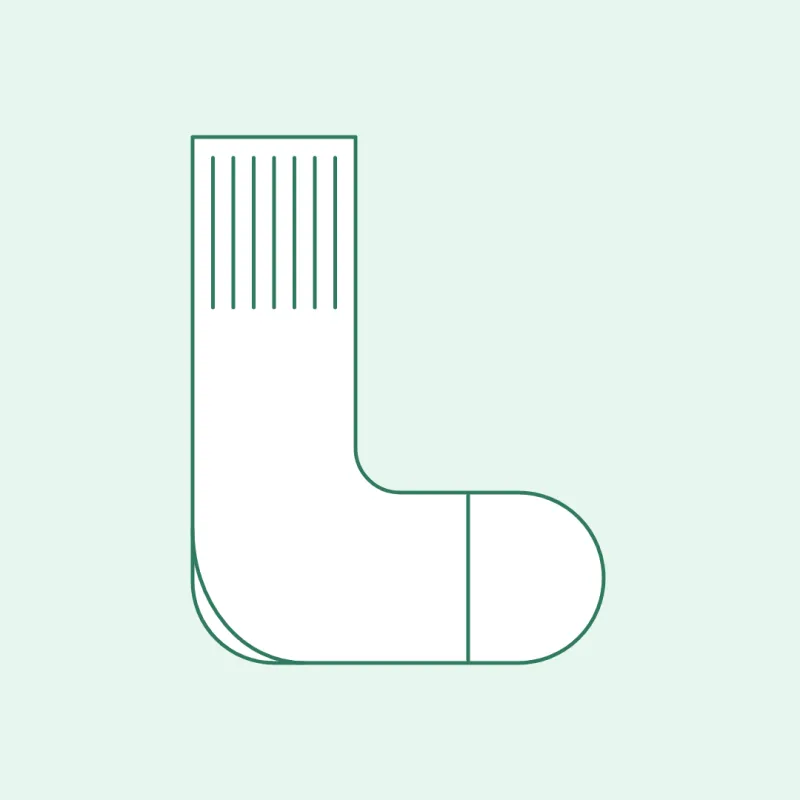
Fireside Comforts
Six pieces from a 1917 knitting book, rewritten for today's yarn: socks, wristlets, a helmet, a muffler, mitts and a bottle cover.
Knitting · 6 patterns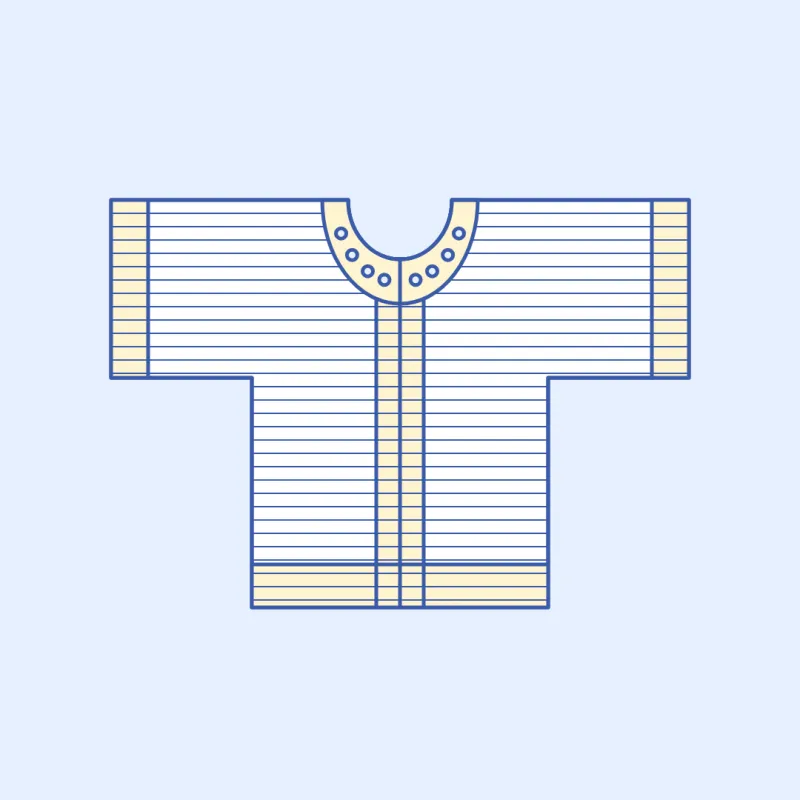
1910s–20s Baby & Child Knits
Six vintage baby knitting patterns from 1917 and 1920: sacques, bonnets, bootees and mittens, knit and crochet, in three sizes from 0 to 12 months.
Knitting and crochet · 6 patterns
Victorian Stitch Sampler Cloths
Eight 9-inch knitted cloths, each on one stitch from books of 1843, 1846 and 1847, with a garter border. Easy to Intermediate.
Knitting · 8 patterns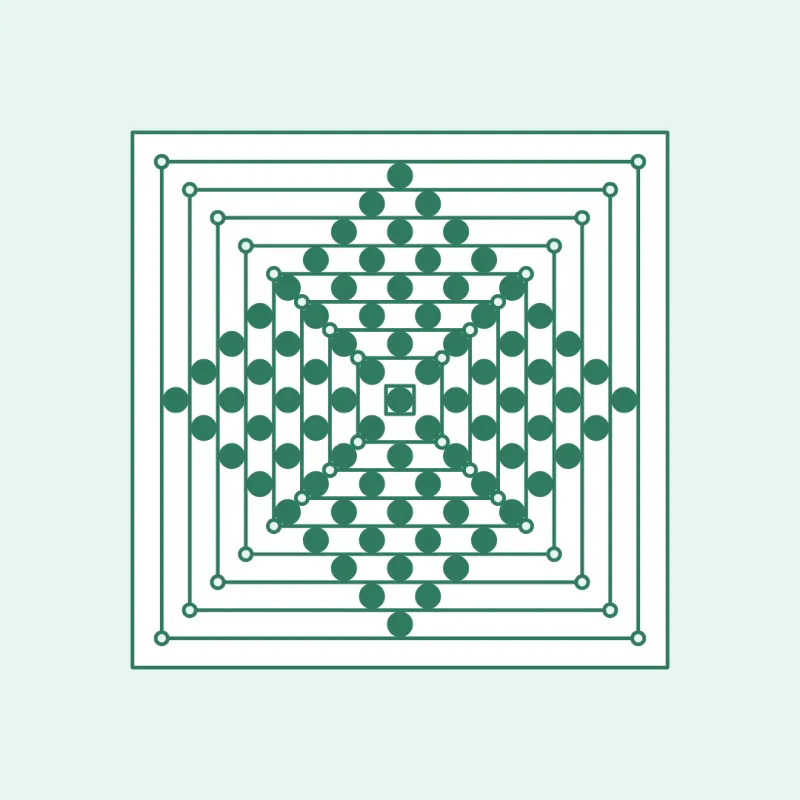
Heirloom Bedspread Squares
Four knitted and two crocheted bedspread squares from 1870 to 1918, each about 10 in, with joining notes, a border and three layouts.
Knitting and crochet · 6 patterns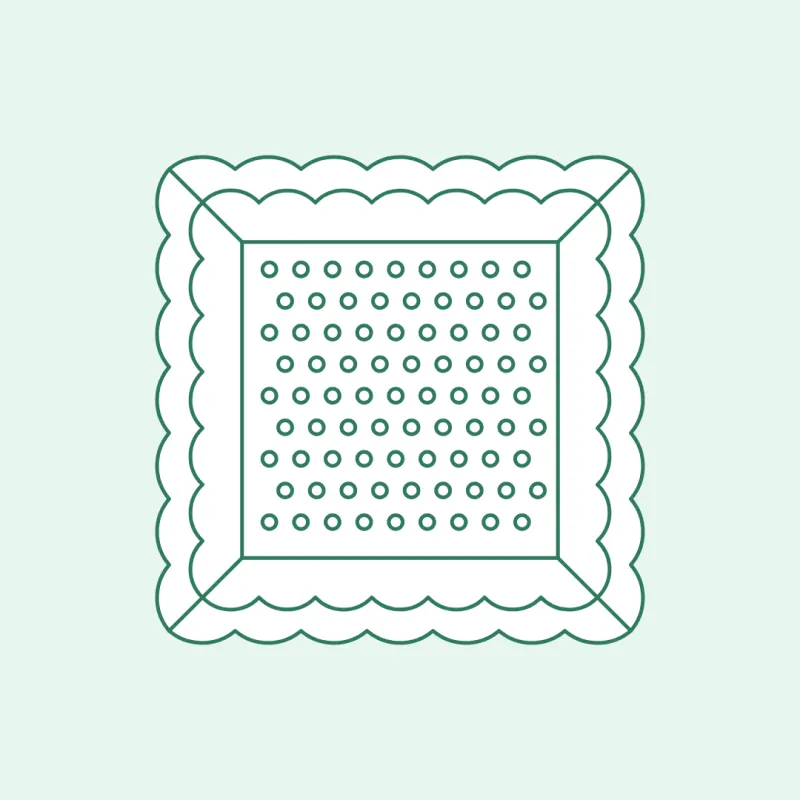
Victorian Shawls & Wraps
Six shawls, wraps and trims from 1840s knitting books, reworked with set sizes, modern yarn weights and a chart for every pattern.
Knitting · 6 patterns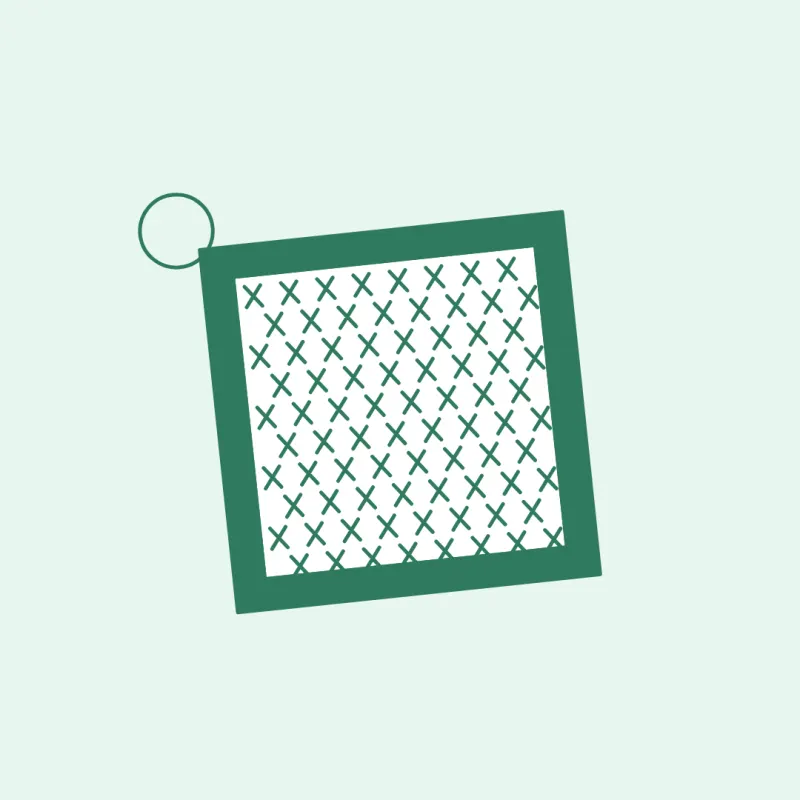
Antique Tunisian Crochet
Five Tunisian crochet pieces from an 1880s needlework encyclopedia and a 1914 booklet, rewritten for worsted yarn: washcloth, scarf, child's cap, cushion and throw.
Crochet · 5 patterns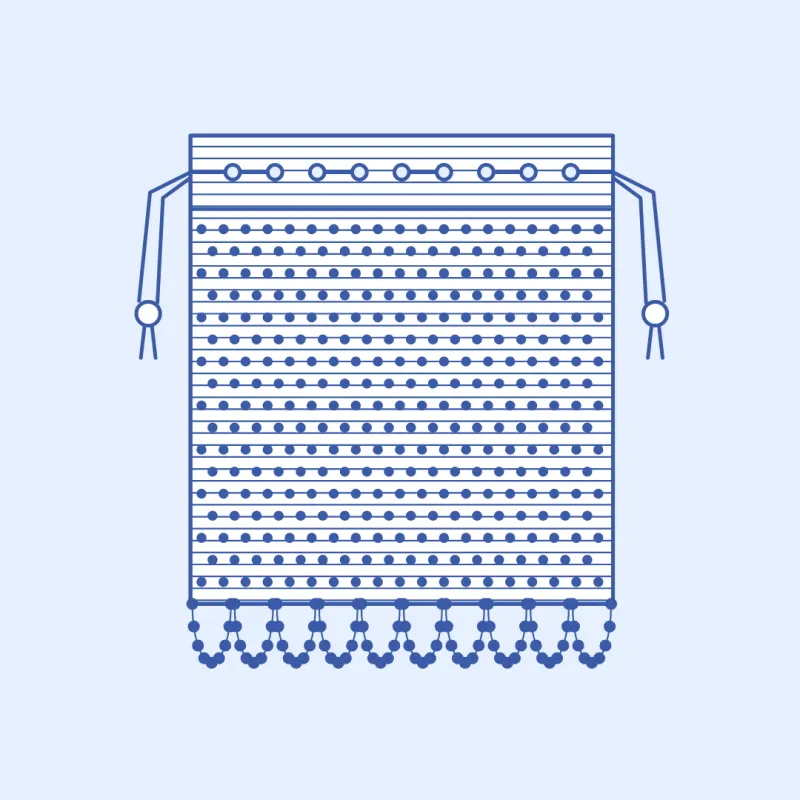
Beaded Purses & Little Bags
Five little beaded bags from 1840s books, two knit and three crochet, each with a bead count for every beaded section.
Knitting and crochet · 5 patterns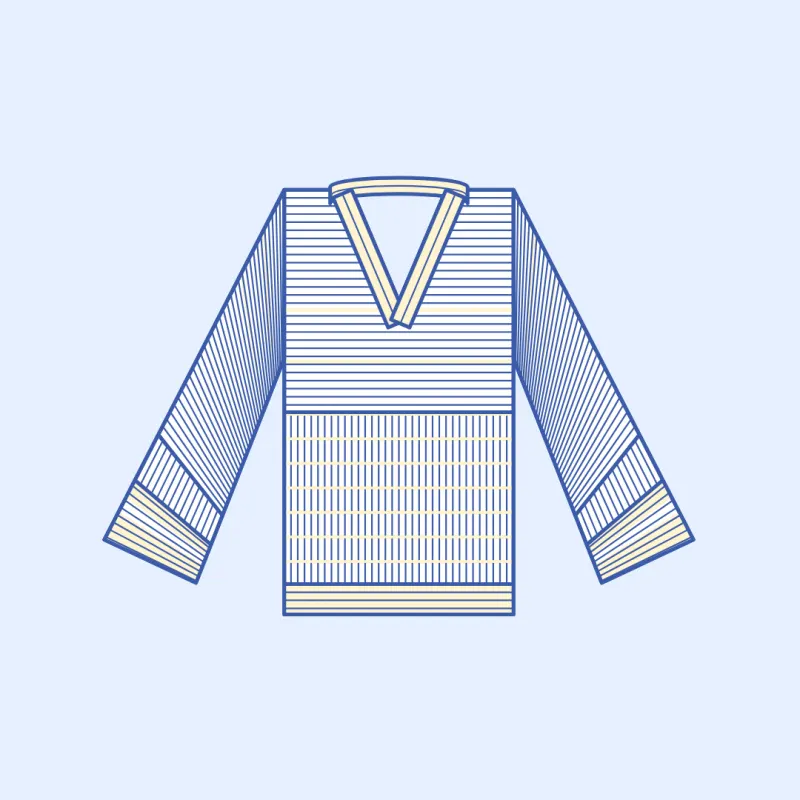
Roaring Twenties Sweaters & Cloches
Two 1920s sweaters, two crocheted cloches and a striped scarf, rewritten for modern yarn. Sweaters in five sizes, cloches in three.
Knitting and crochet · 5 patterns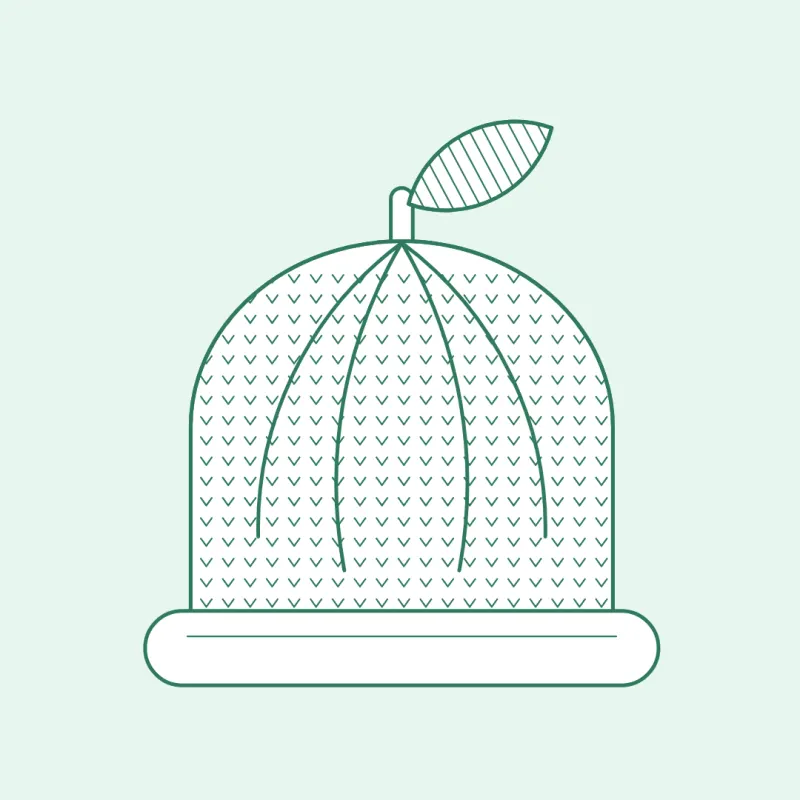
Little Sprout Baby Set
A baby hat, booties, cardigan and bib in DK yarn, sizes 0 to 12 months. Four Row & Round Originals designed in 2026.
Knitting · 4 patterns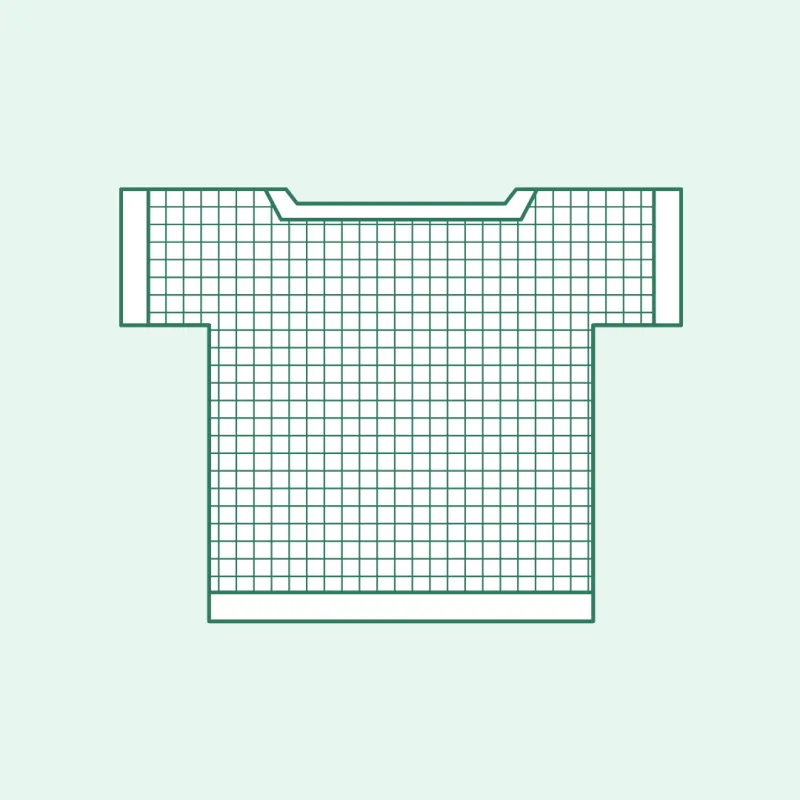
Everyday Wearables
A crochet mesh tee, a chunky poncho, toe-up ankle socks and a dog sweater: four Row & Round designs in graded sizes.
Knitting and crochet · 4 patterns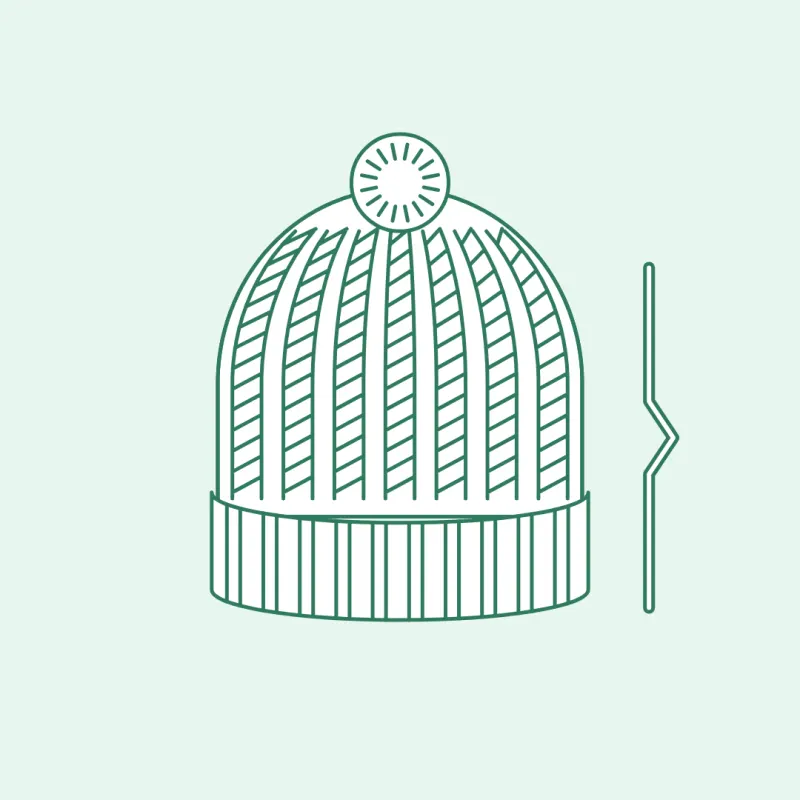
Cables & Colour
Four original knits: a rope-cable hat, a mountain colourwork hat, a two-colour brioche cowl and cable mittens, each with written rounds and a chart.
Knitting · 4 patterns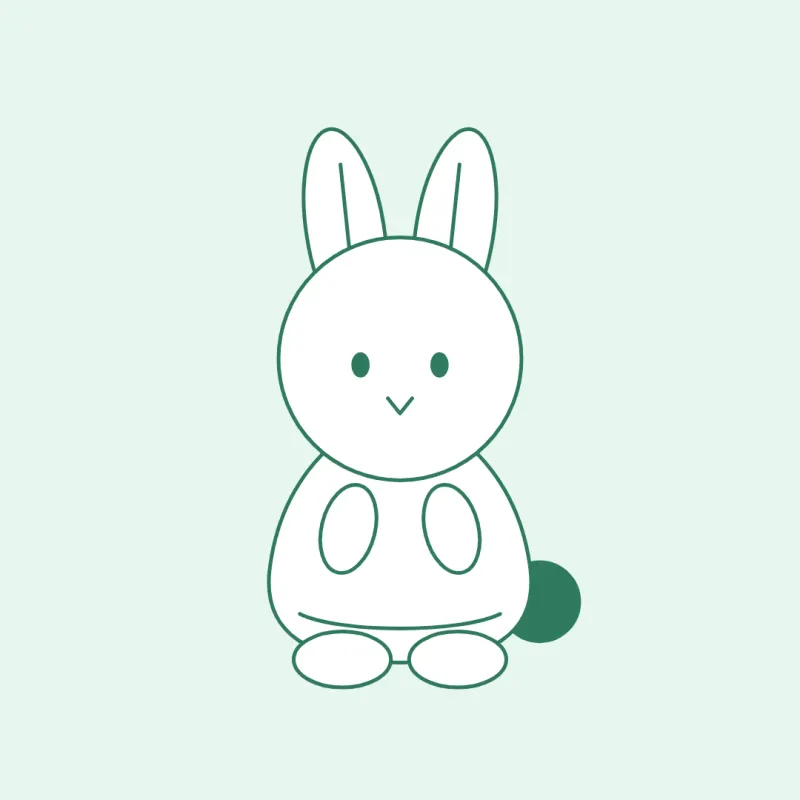
Amigurumi Friends
Three small crochet toys in spiral rounds: a sitting bunny, a striped bee and a pocket whale. Our own designs.
Crochet · 3 patterns
Eleven old books, four new ones
The shelf holds fifteen books and 80 patterns. Eleven of the books, 65 patterns between them, start from public-domain pieces published between the 1840s and the 1920s: lace edgings, doilies, shawls, tams, baby jackets, beaded purses, 1920s sweaters and more. Each one is rewritten with modern yarns, needle and hook sizes, sizes and stitch counts.
The other four are Row & Round Originals: 15 new designs made in 2026. Baby knits, everyday wearables, cables and colourwork, small crochet toys. No history attached, which suits some weekends better than others.
What a Victorian page left out
Old patterns are short. A Victorian book may hand you a stitch, a length and a hint about the yarn, then leave the rest to you. The rewrites keep the shape of the original piece and add what a modern maker needs: written rows and rounds, modern yarn and needle or hook sizes, sizes for today, abbreviations (US terms for crochet), a chart for each pattern and notes on the history from the original books.
Some old habits stay because they are the charm. The 1890 tam is still knitted from the centre of the crown outwards. Cornelia Mee’s sugar-plum stitch keeps its name, though knitters now call it linen stitch.
Sources are credited by author and year: Eléonore Riego de la Branchardière (1846 and 1848), Cornelia Mee (1846), Miss Lambert (1843), Anne Orr (1918) and a 1917 knitting book edited by Olive Whiting. A few patterns come from a 1920s yarn-company booklet.
Choosing by what you want at the end
Start with the craft. Antique Crochet Doilies & Medallions, Antique Tunisian Crochet and Amigurumi Friends are crochet. Six books mix knitting and crochet: 1910s–20s Baby & Child Knits, Vintage Caps & Tams, Heirloom Bedspread Squares, Beaded Purses & Little Bags, Roaring Twenties Sweaters & Cloches and Everyday Wearables. The rest are knitting.
Then go by the object. Every pattern carries a level, from Beginner to Advanced, so a book can hold a gentle first project and a harder one side by side. Here is the whole shelf:
- Antique Crochet Doilies & Medallions: seven crochet doilies and medallions, rated Easy through Intermediate, worked in rounds from a chart.
- Fireside Comforts: six knitted pieces from a 1917 book, with socks, wristlets, a muffler, split-finger mitts and a hot water bottle cover among them.
- Victorian Lace Edgings: five narrow lace edgings from the 1840s, rated Easy through Advanced.
- 1910s–20s Baby & Child Knits: six knit and crochet baby pieces in three sizes from 0 to 12 months: sacques, bonnets, bootees and mittens.
- Vintage Caps & Tams: six knitted and crocheted hats in three sizes each, from a tam to a pillbox cap.
- Victorian Stitch Sampler Cloths: eight 9-inch cloths, each on one stitch, which you can join into a runner or blanket.
- Heirloom Bedspread Squares: six knitted and crocheted squares and blocks, each about 10 in, with joining and three layouts for a cushion, baby blanket or throw.
- Victorian Shawls & Wraps: six shawls, wraps and trims from the 1840s, rated Easy through Advanced.
- Antique Tunisian Crochet: five Tunisian pieces and a one-page guide to how a Tunisian row works.
- Beaded Purses & Little Bags: five beaded purses and bags, with bead counts for every beaded section.
- Roaring Twenties Sweaters & Cloches: two sweaters in five sizes, two crocheted cloches and a matching scarf.
- Little Sprout Baby Set: a hat, booties, a cardigan and a bib, our own design, in three sizes with no ties or cords.
- Everyday Wearables: a crochet mesh tee, a chunky poncho, toe-up ankle socks and a sweater for your dog, all our own design.
- Cables & Colour: two hats, a cowl and mittens, in cables, colourwork and brioche, at Intermediate.
- Amigurumi Friends: a sitting bunny, a striped bee and a pocket whale, crocheted in spiral rounds.
What to start this weekend
Knitting, plain and useful: the muffler in Fireside Comforts is the gentle first project in that book. If you would rather learn one stitch at a time, Victorian Stitch Sampler Cloths gives you eight cloths, each on a single stitch. The Hillside Poncho in Everyday Wearables is marked Beginner and uses knit and purl only.
Crochet: Antique Tunisian Crochet opens with a washcloth, and the one-page guide explains a Tunisian row before you meet one. Amigurumi Friends is worked in spiral rounds and offers a safety-eye or embroidered-eye option. Beaded Purses & Little Bags includes a no-bead pouch for beginners, so the beads can wait.
Lace, and the week you put it down
Victorian Lace Edgings suits knitters who like small lace and want to build up to the deeper edgings. Five of them, narrow, from the 1840s. Lace is where places get lost between evenings, and Row & Round’s bar is still on your row when you pick an edging up after a week.
Once an edging feels familiar, Victorian Shawls & Wraps is the next step: a lace shawl, a scarf or a shoulder cape, all from the 1840s.
Questions
- Are the vintage patterns word for word from the old books?
- No. Each one is adapted from the original and rewritten, keeping the shape of the piece and adding modern yarns, sizes and a chart. Sources are credited by author and year, and every vintage book carries notes on the history from the original books.
- Are the crochet patterns written in US or UK terms?
- US terms. The abbreviations that come with the vintage patterns use US terms for crochet.
- What sizes do the baby books come in?
- 1910s–20s Baby & Child Knits has three sizes from 0 to 12 months. Little Sprout Baby Set is also in three sizes, and it has no ties or cords.
- How much does a pattern book cost?
- Each pattern book is a single purchase that is yours to keep, $4.99 in the app in the US. Other countries see their local App Store price. The app itself is free to download.